
PalMed Europe and David Nott Foundation Doctors upskilling to help Gaza( HEST Course)
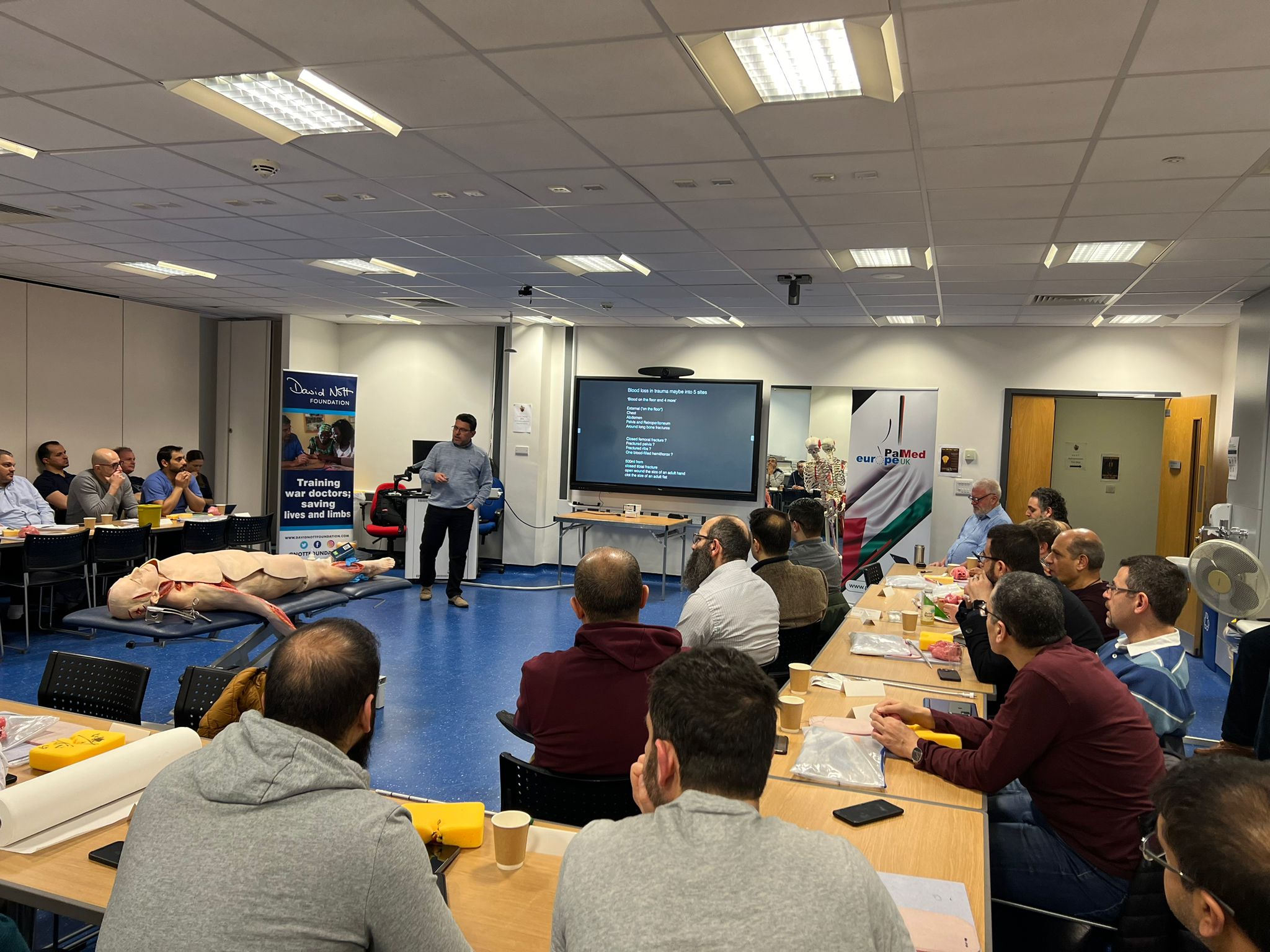
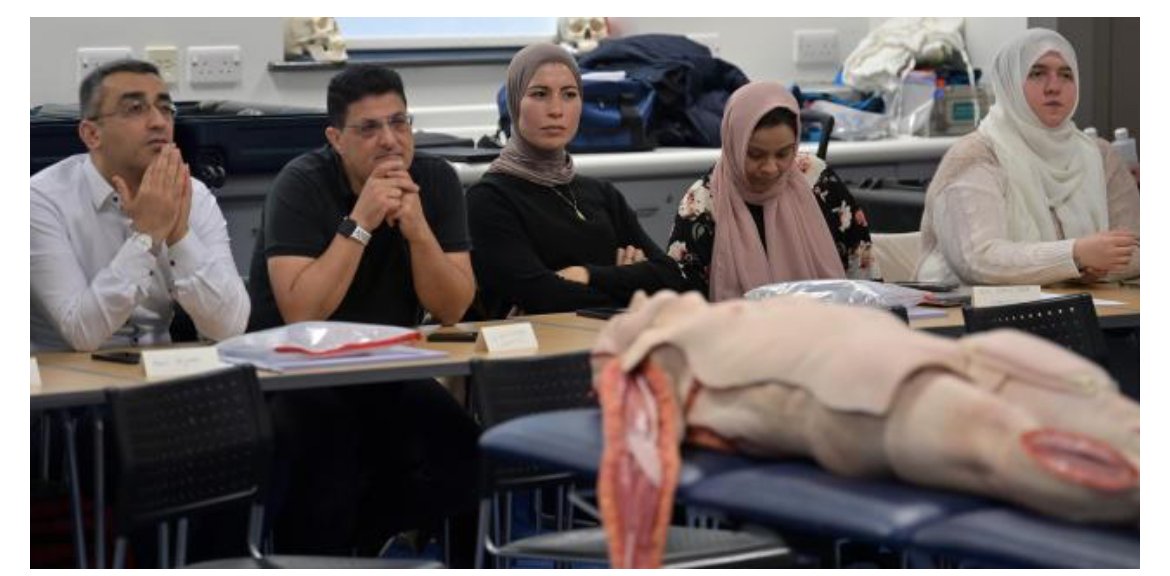
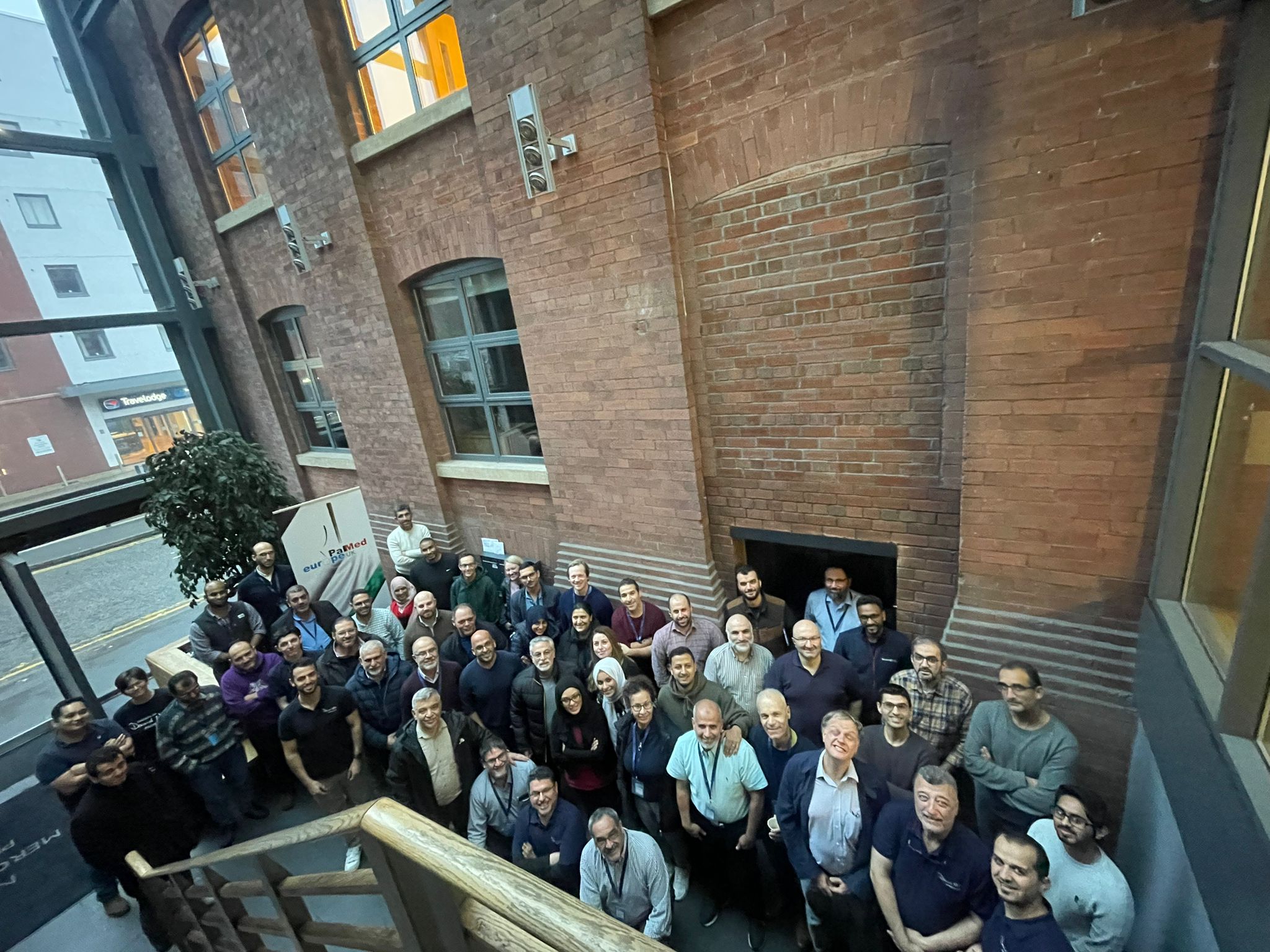
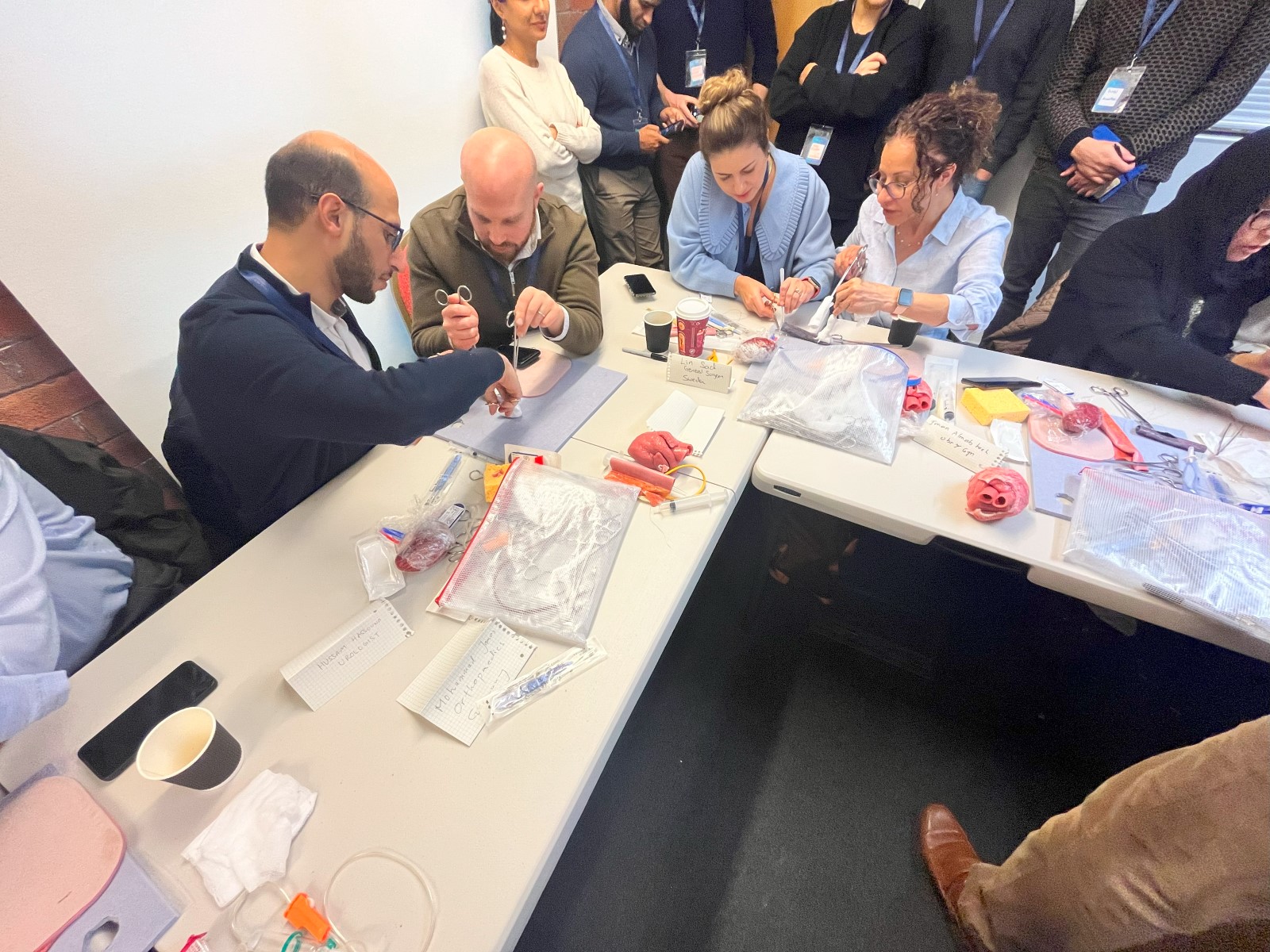
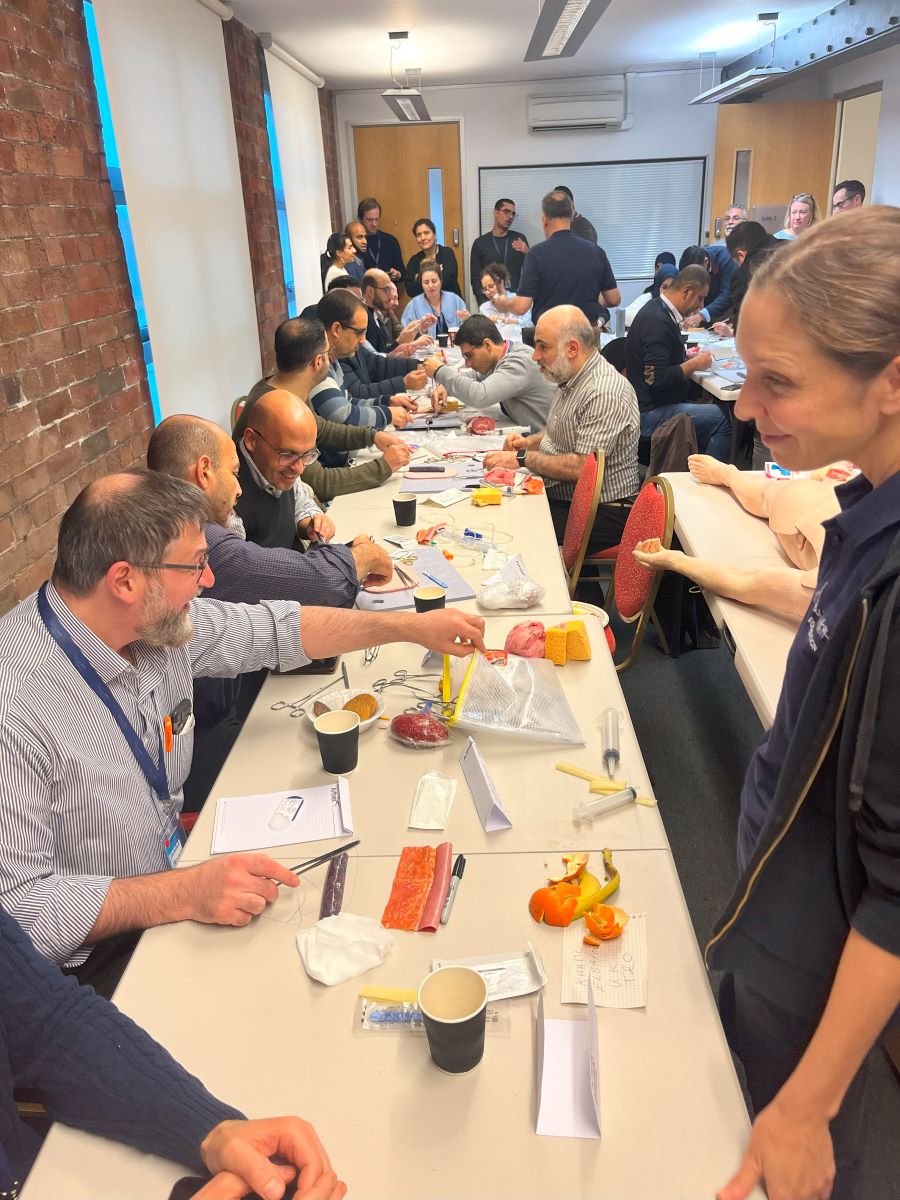
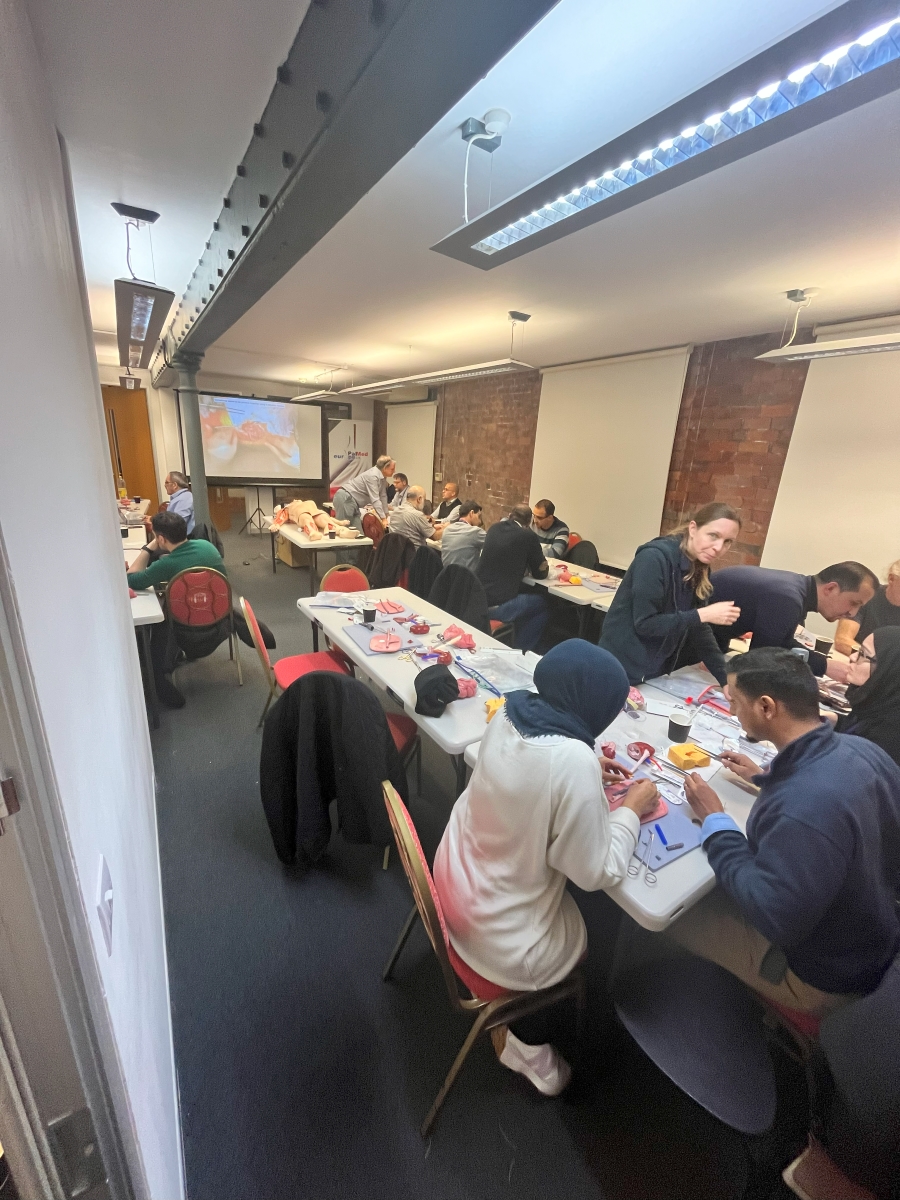
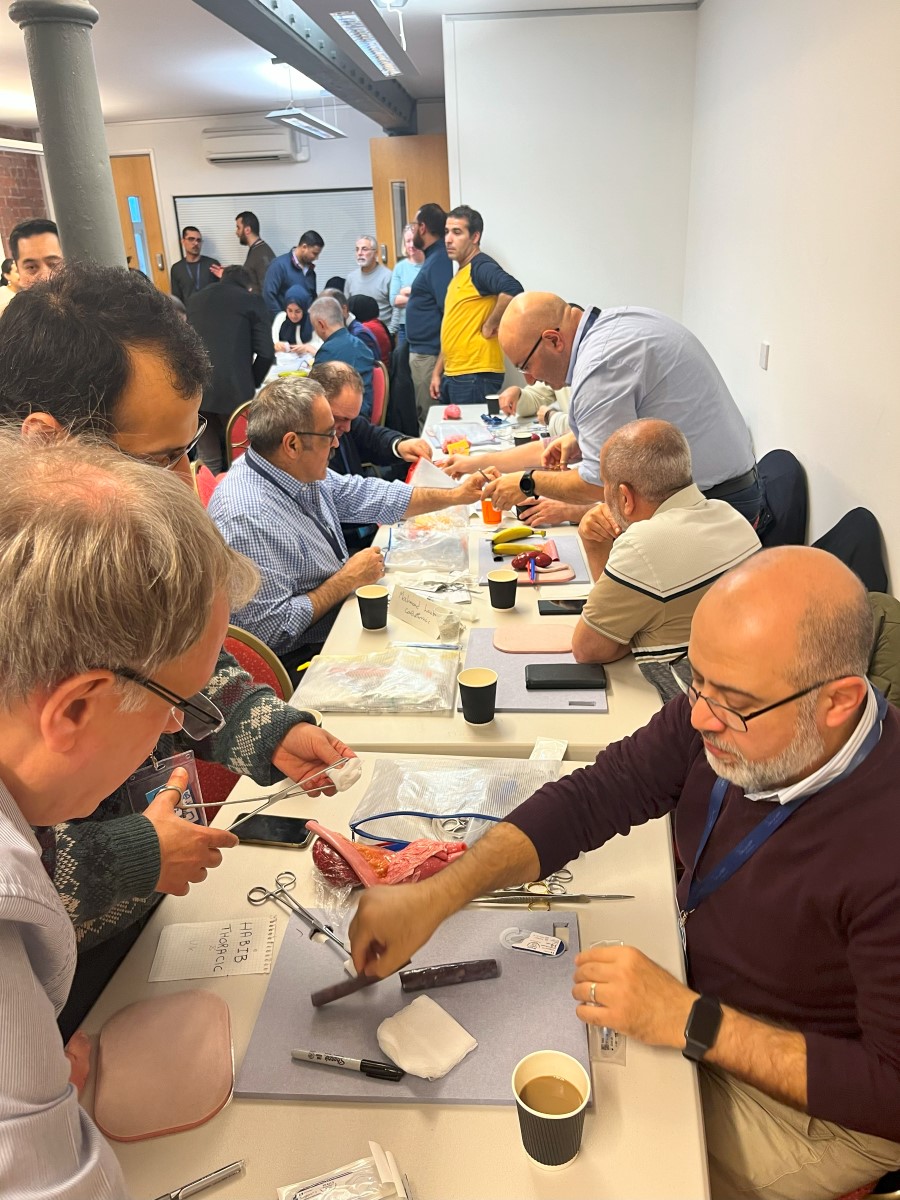
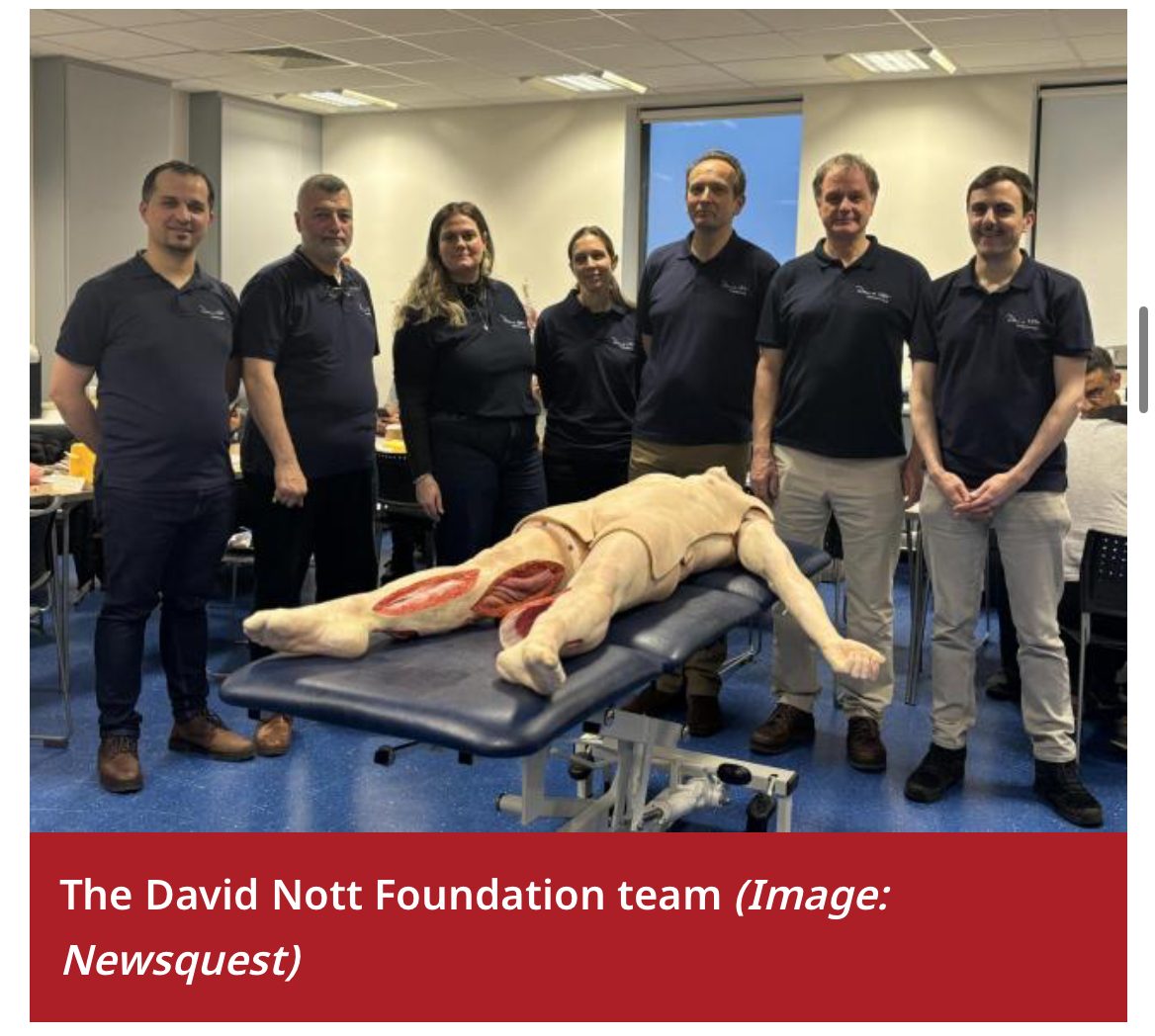
Doctors from around the world are upskilling to save the lives of those injured in the conflict in Gaza on a special course organised by PalMed Uk, led by David Nott Foundation team and hosted by the University of Bolton. The PalMed train doctors to go and work in Gaza for four days of training, led by the David Nott Foundation.
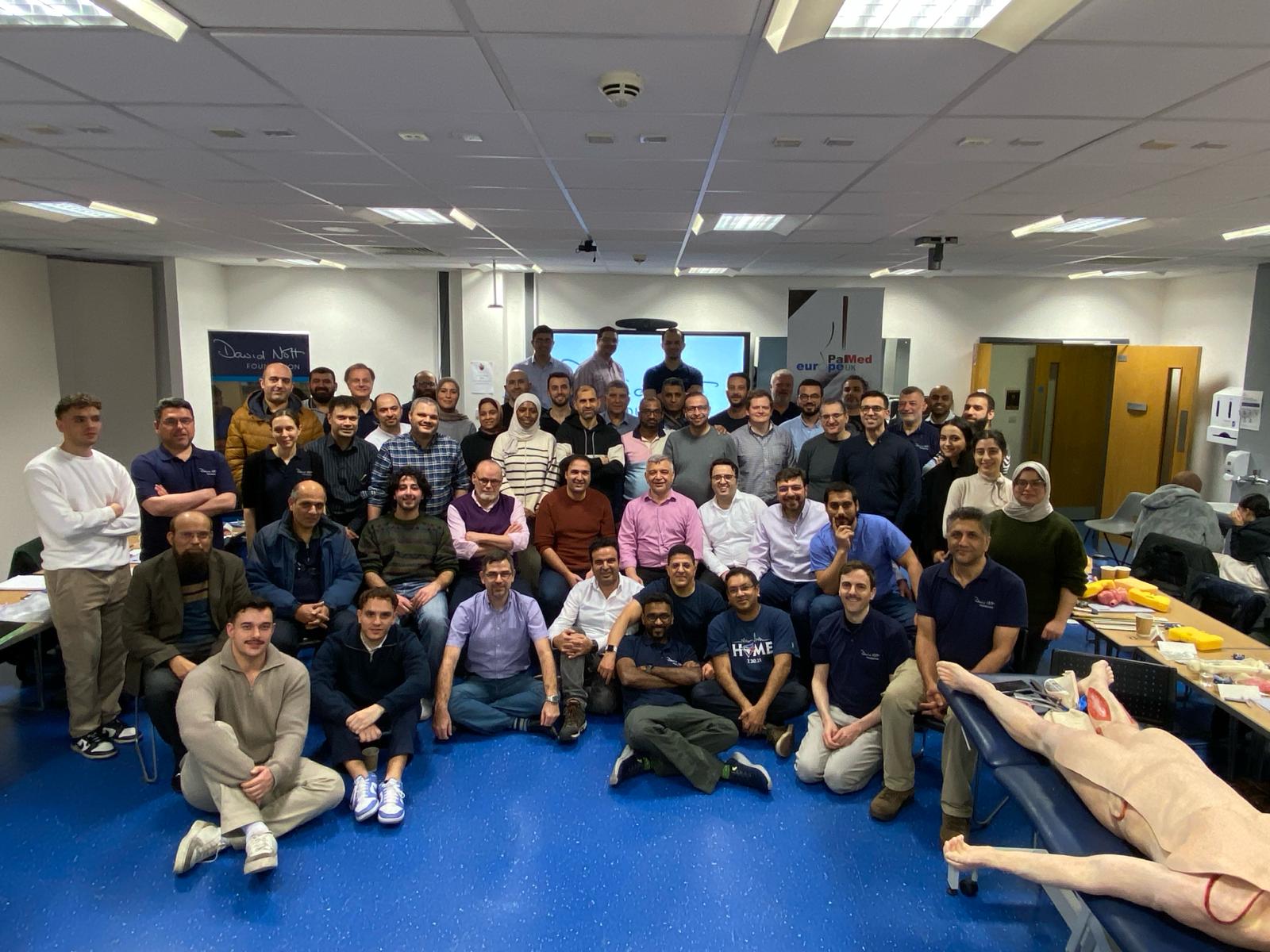
PalMed identified the doctors, whilst the foundation provided the training, which will prepare the doctors to head to the Gaza strip in Palestine to assist with saving the lives of thousands of injured civilians.
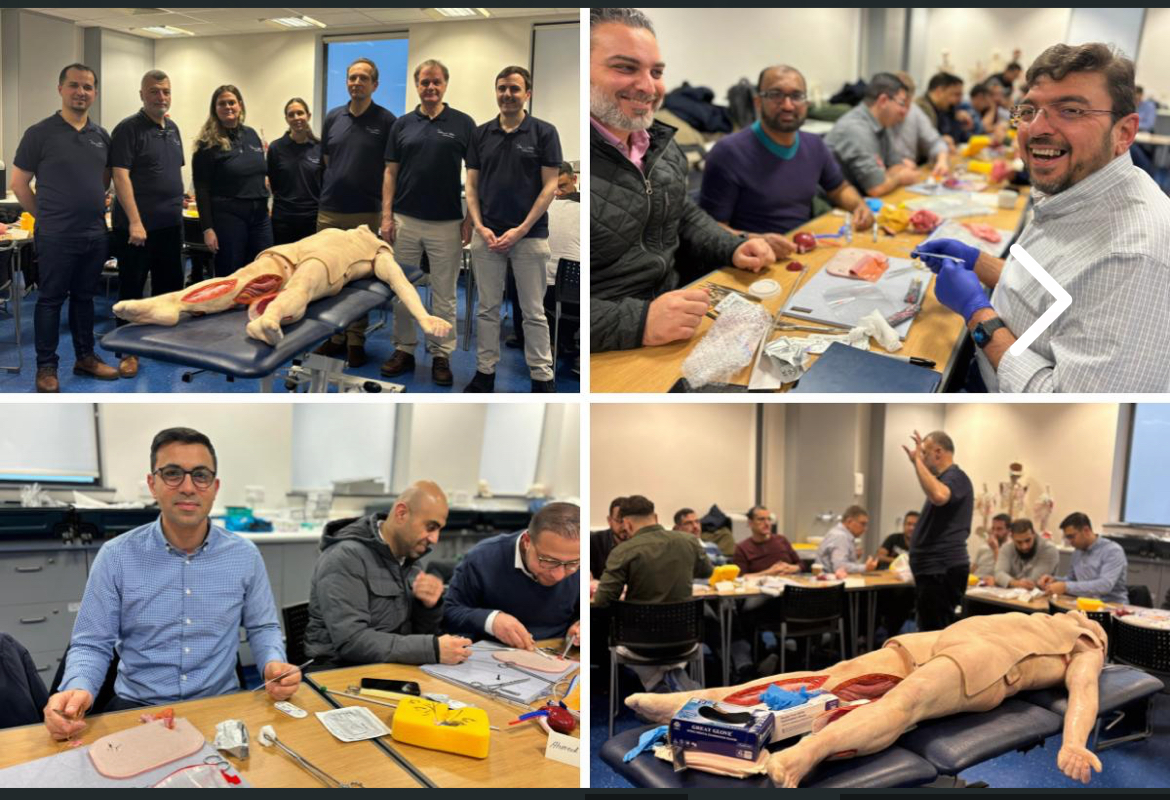
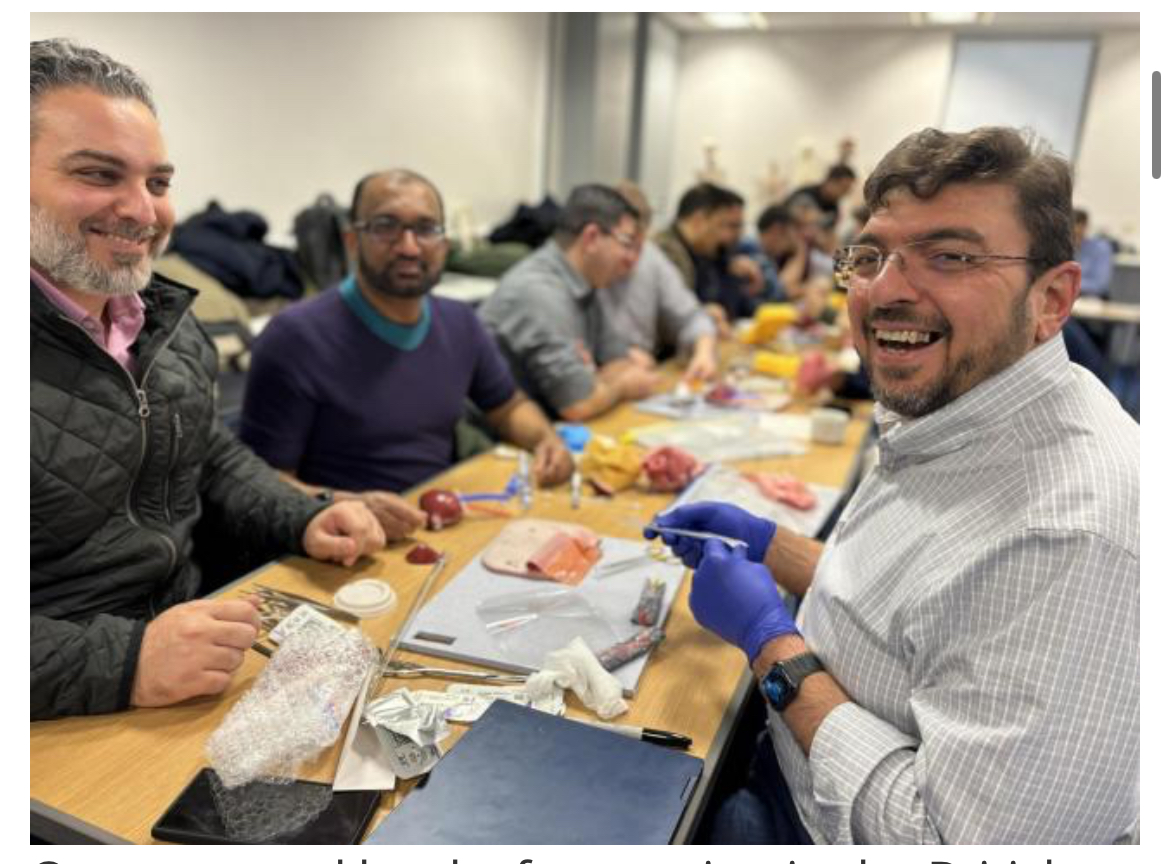
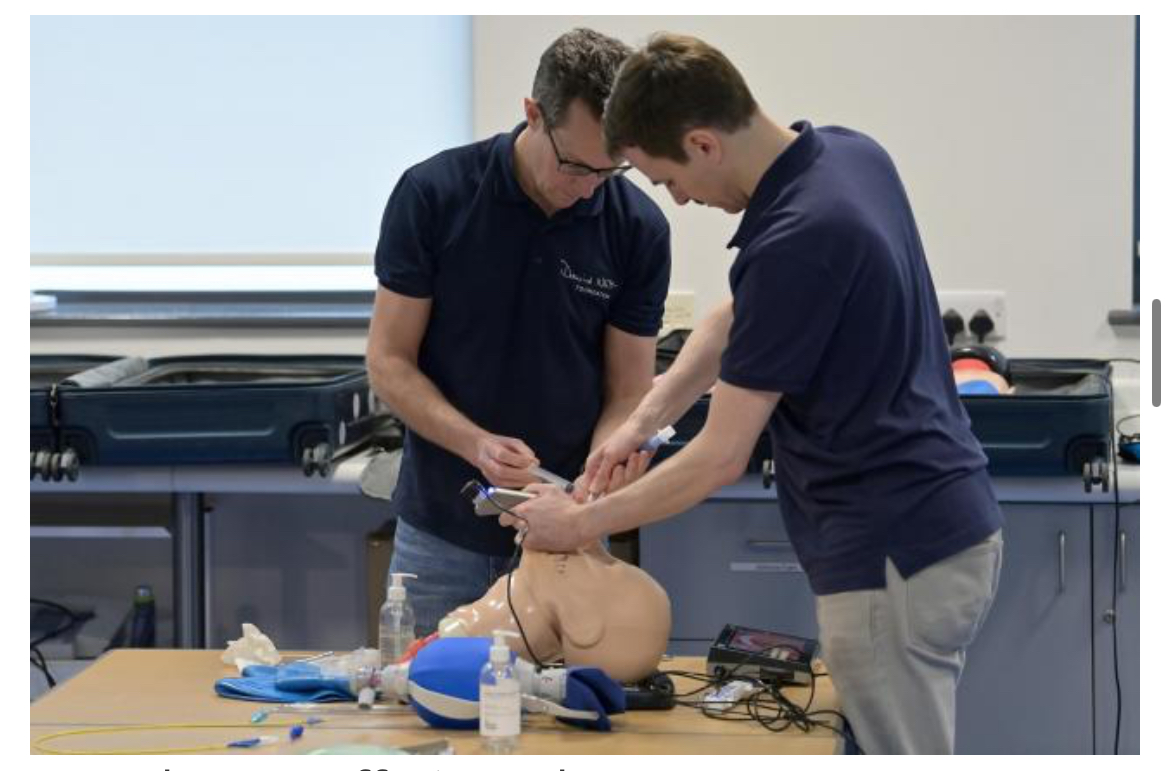
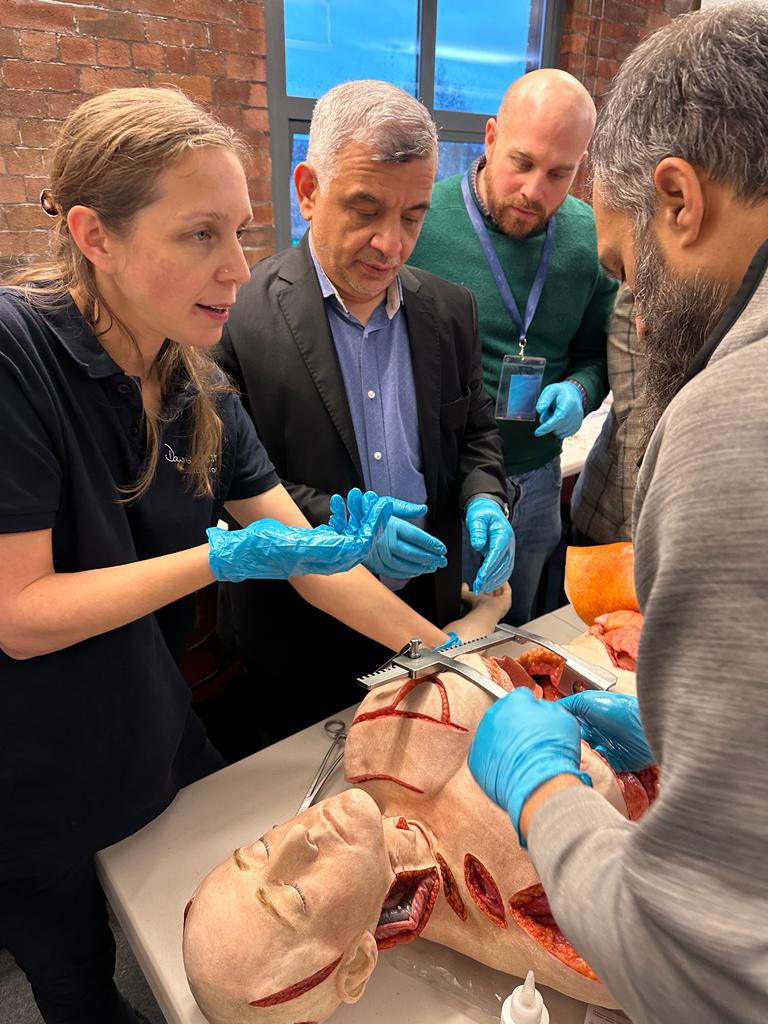
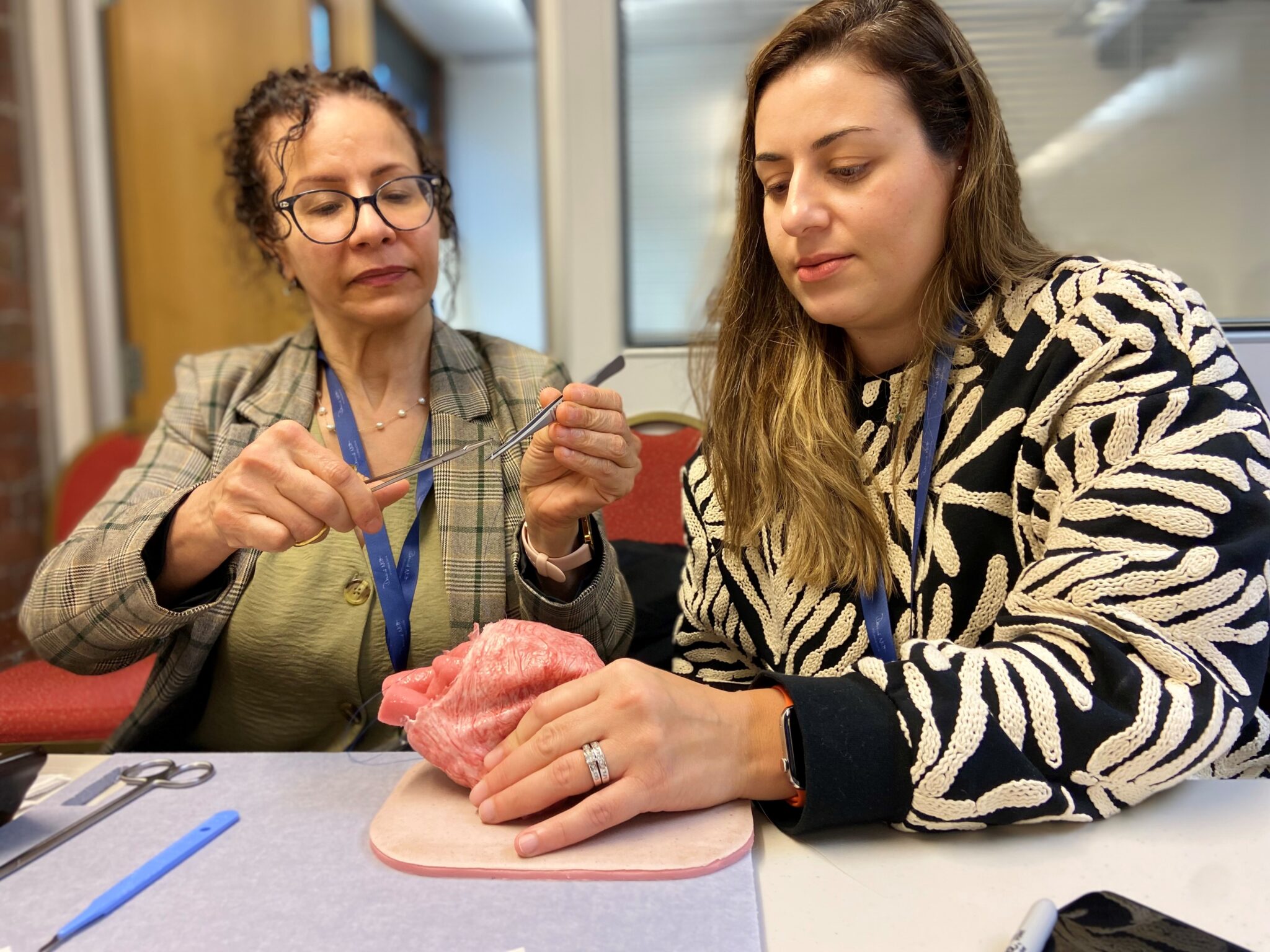
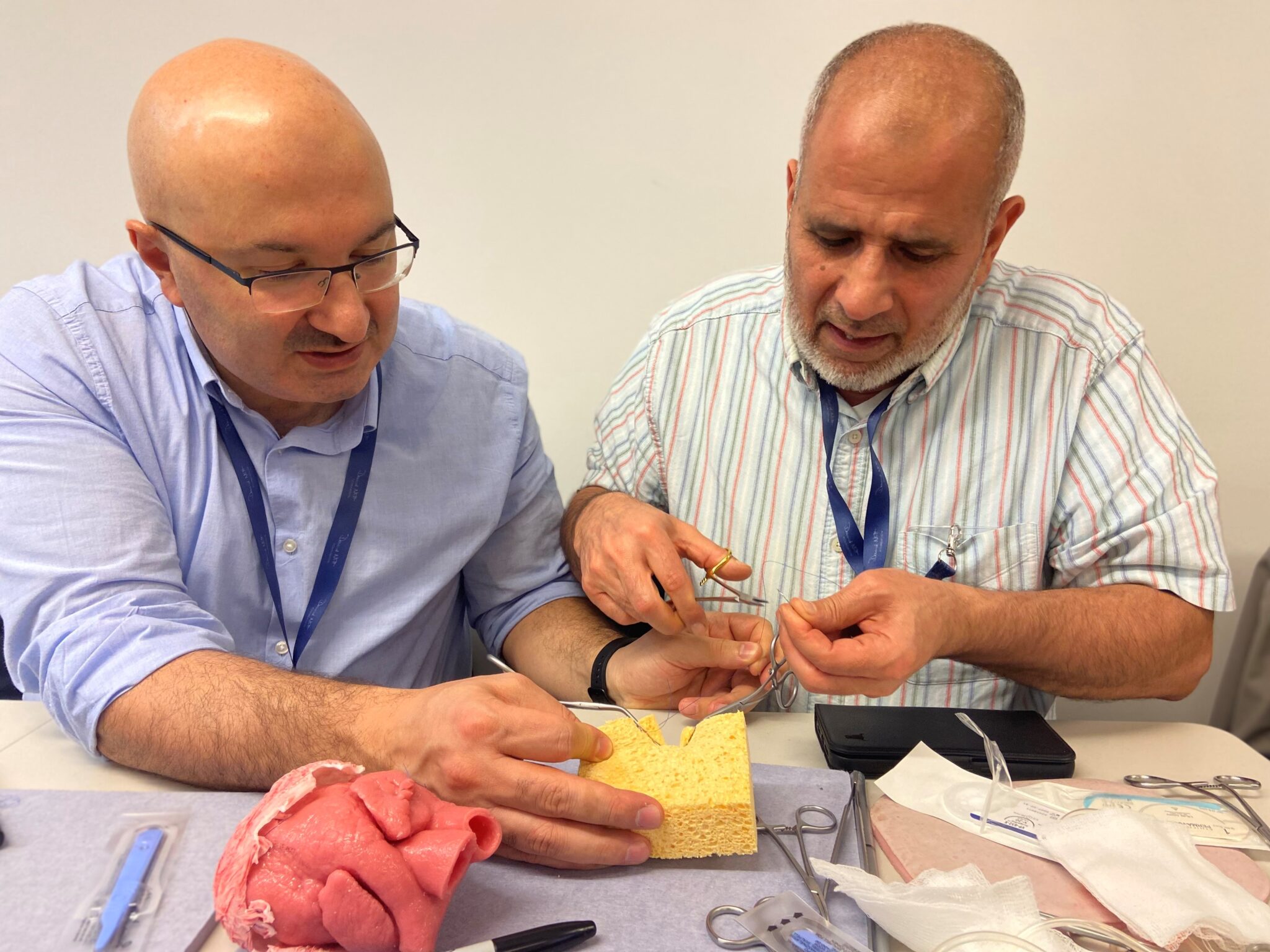
During the course, doctors from different countries and hospitals learn every field of trauma surgery including neuro, cardiovascular, abdominal, paediatric, obstetrics and gynaecology and anaesthesia, using cutting-edge teaching tools that were made by designers, in collaboration with the charity’s co-founder, renowned war surgeon Professor David Nott.
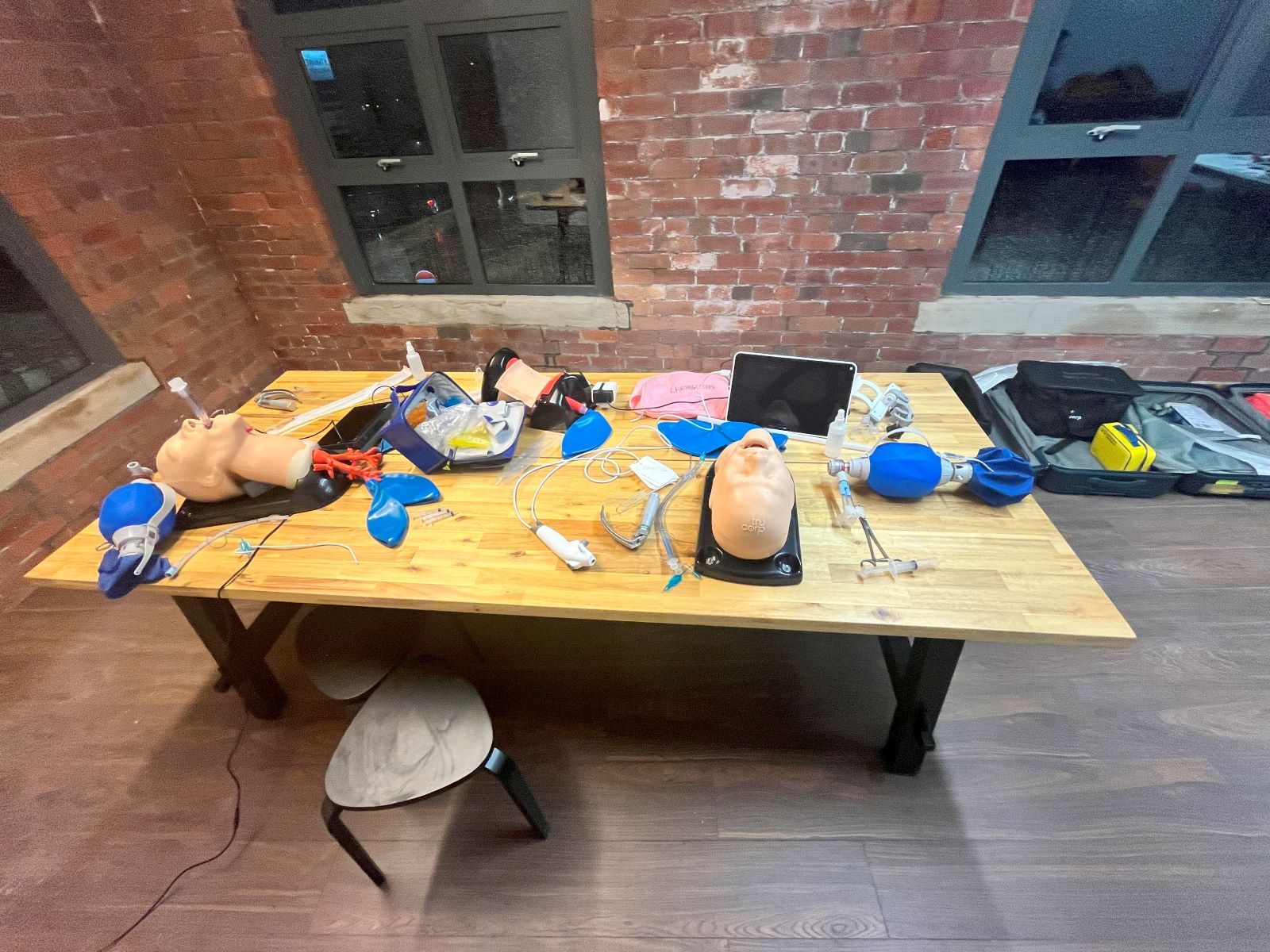
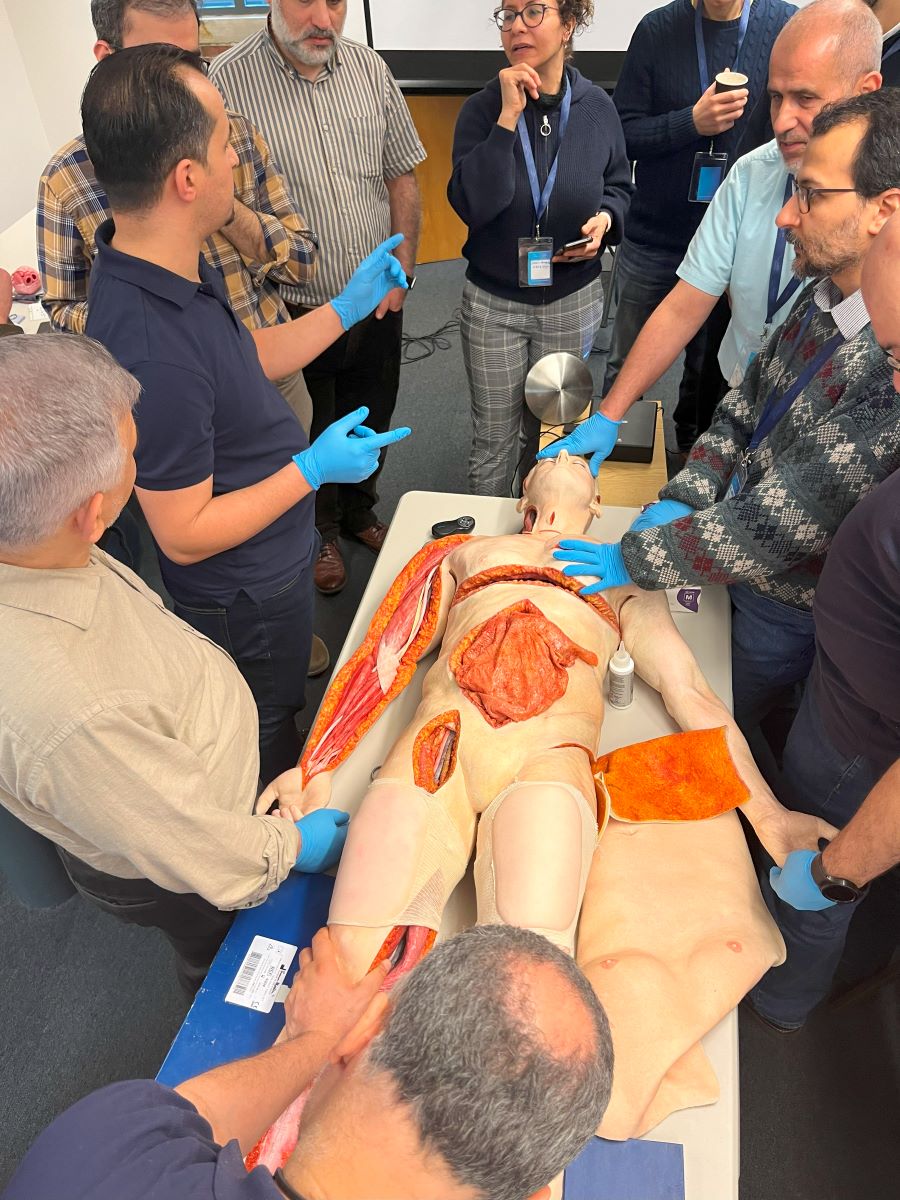
Doctors practice their techniques on Heston, a one-of-a-kind human war wound simulator, 3D-printed kidneys, silicone hearts, blood vessels, tracheas, and additional teaching models.
The training demonstrates how to deal with trauma caused in war zones, which can include anything from bomb blast and gunshot wounds to severe crush injuries caused by collapsing buildings.
One of the reasons behind the upskilling of doctors is that many are specialised doctors not equipped with dealing with the type of injuries patients may have in a war zone.
On Friday (February 2) 35 surgeons were being trained to offer their services to charities that are going into Gaza, and six anaesthetists.
More than 27,000 people have been killed and 66,000 wounded by Israel’s invasion in Gaza, the Palestinian health ministry said on Thursday.
 Dr Riyadh Almasharqah: Plastic surgeon and CEO of PalMed Europe, has worked in various regional plastic surgery and burn units across the UK and abroad.
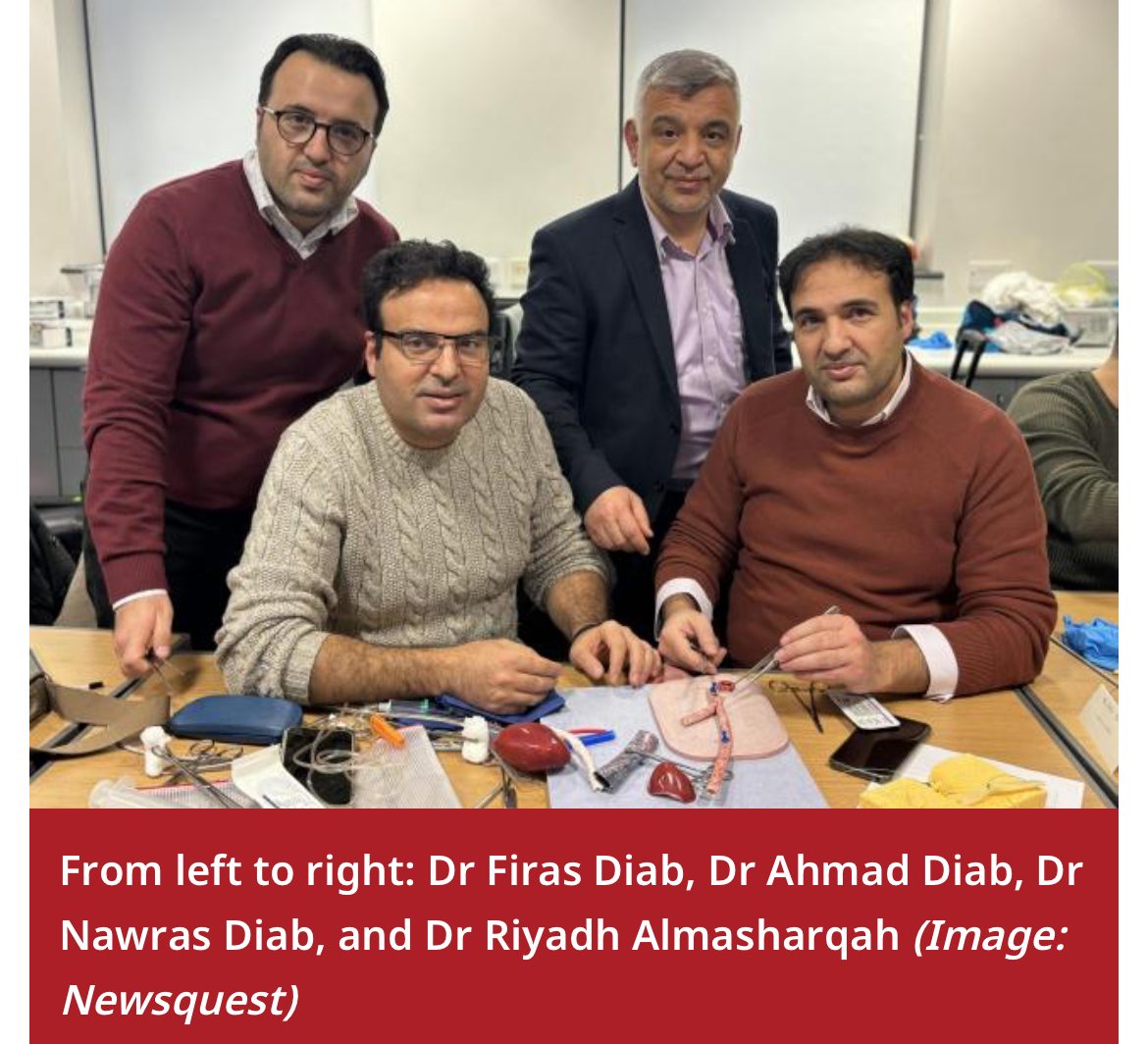
Dr Almasharqah’s says this course is vital and need more urgent than ever.
He said: “We are grateful to the people of Bolton, the University of Bolton, and the whole community who offered great support to this course. “This is the second course, with the first course being in December. and many people from the first course are already in Gaza and they provided a lot of help there. and they’re feedback about the information they got from this course has been great. So, this encouraged us to do the second course, and hopefully we will continue to do that in the future.
“It’s a really unique course. As a doctor, I have attended many courses before, but this is really structured and organised to cover all emergency aspects in every speciality’’.
“What we can see from what is happening in Gaza is that the magnitude of the need is so high. It’s beyond imagination, people are suffering a lot. The injured people are suffering, and so are the people who are displaced because they are living in shelters without food unfortunately, and no electricity, no water, and of course all of the health sector has collapsed, and kids are suffering from malnutrition, and even the elderly people’’.
“According to estimations, there are more than 40,000 women who are pregnant about to deliver and there are no proper facilities for any doctors to do any antenatal care. And for this purpose, we managed to expand a small hospital in north Rafah in Palestine. In addition to other work we did like sending the delegations and doing a mobile clinic for the displaced people.”
Chief operating officer of The David Nott Foundation Tim Law said:
“As a charity, we were about to go to Gaza in October when the news obviously broke on October 7, and the whole world has seen what’s happened since then. “But we are keen to continue to support the Palestinian people, as we are any person that is affected by conflict or other disasters.”
Tim From David Nott Foundation said: “We train medical professionals so that they can operate effectively in war zones and help patient outcomes – that is the job of our charity. “Now, if you think about most surgery, it can be very specific. So, you might train as a cardiovascular surgeon, and all you do is work on the heart and that system. But, when it comes to war you might find that you’re the only surgeon in the hospital, and there are people presenting with multiple wounds, blasts fragmentation, or all sorts of things like that, and our job is to basically help surgeons who are perhaps quite specialised, become generalists and are then able to deal with the challenges that these sort of environments present. We have some of our doctors who are on the faculty who have travelled to Gaza, who said that the people that don’t really have this grasp of the whole system of surgery are not as well able to meet the challenges that are presented to them, so in many ways, we are certain that this is the best training that you can get. And we feel that we’re backed up in that with the amount of demand there is for our courses.”
Tim added: “Many of our faculty are ex-military, so they’ve got experience of Iraq, Afghanistan, and places like that, so they know what it’s like to be in places where resources that you would have in an NHS hospital in the UK aren’t available to you.
In December, other facilities in Bolton were used by the foundation and PalMed to upskill 42 doctors, many of whom already in Gaza or planning to travel to Palestine to offer their help.
The foundation also delivered a surgical training course in Ramallah, Palestine, last July to empower doctors from across the region, and the team were due to train in Gaza in October before the war started.