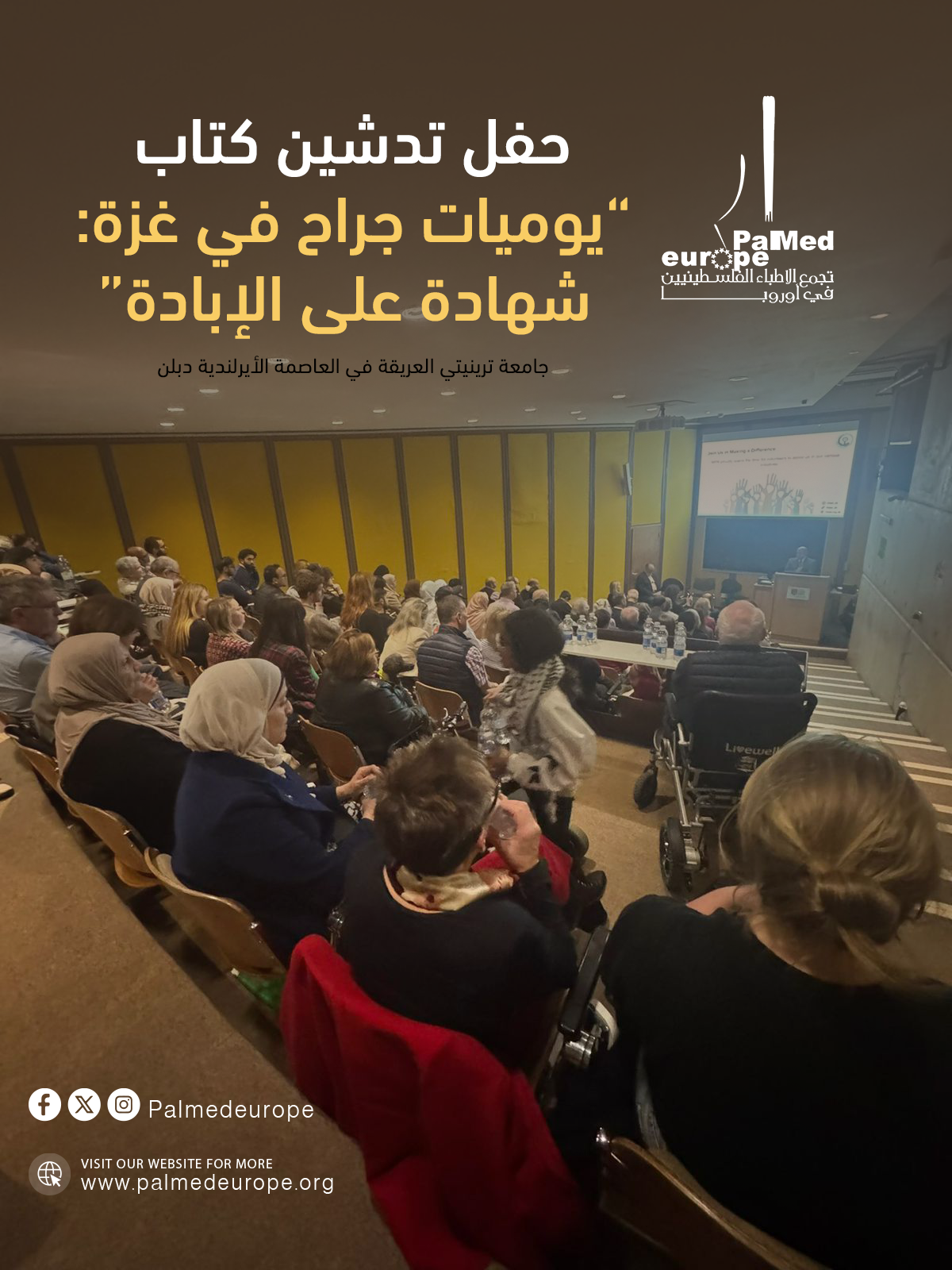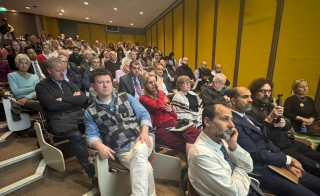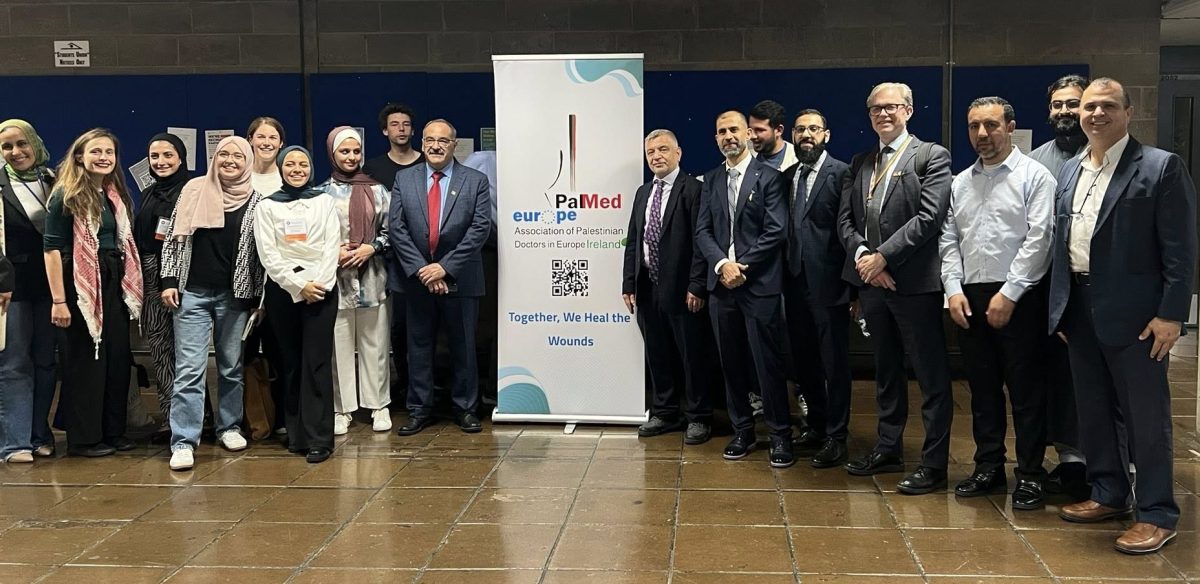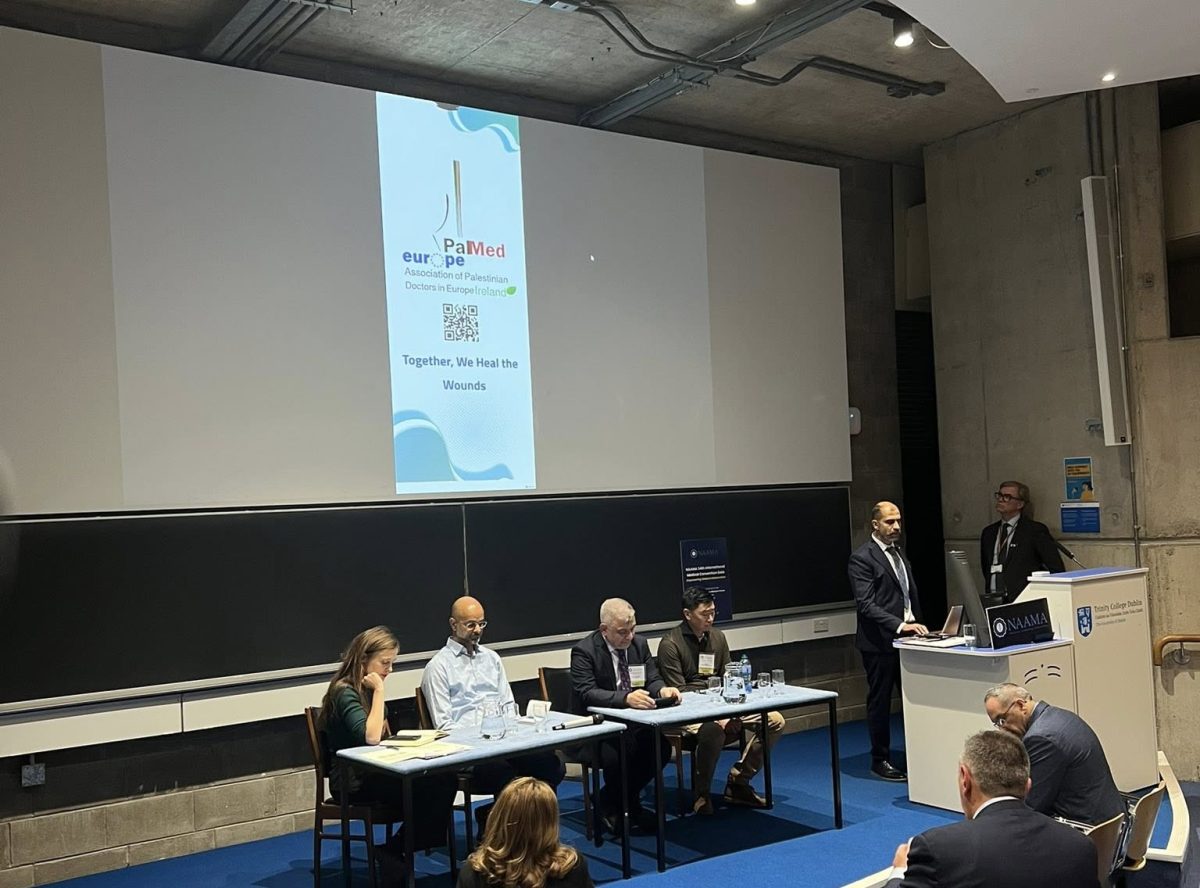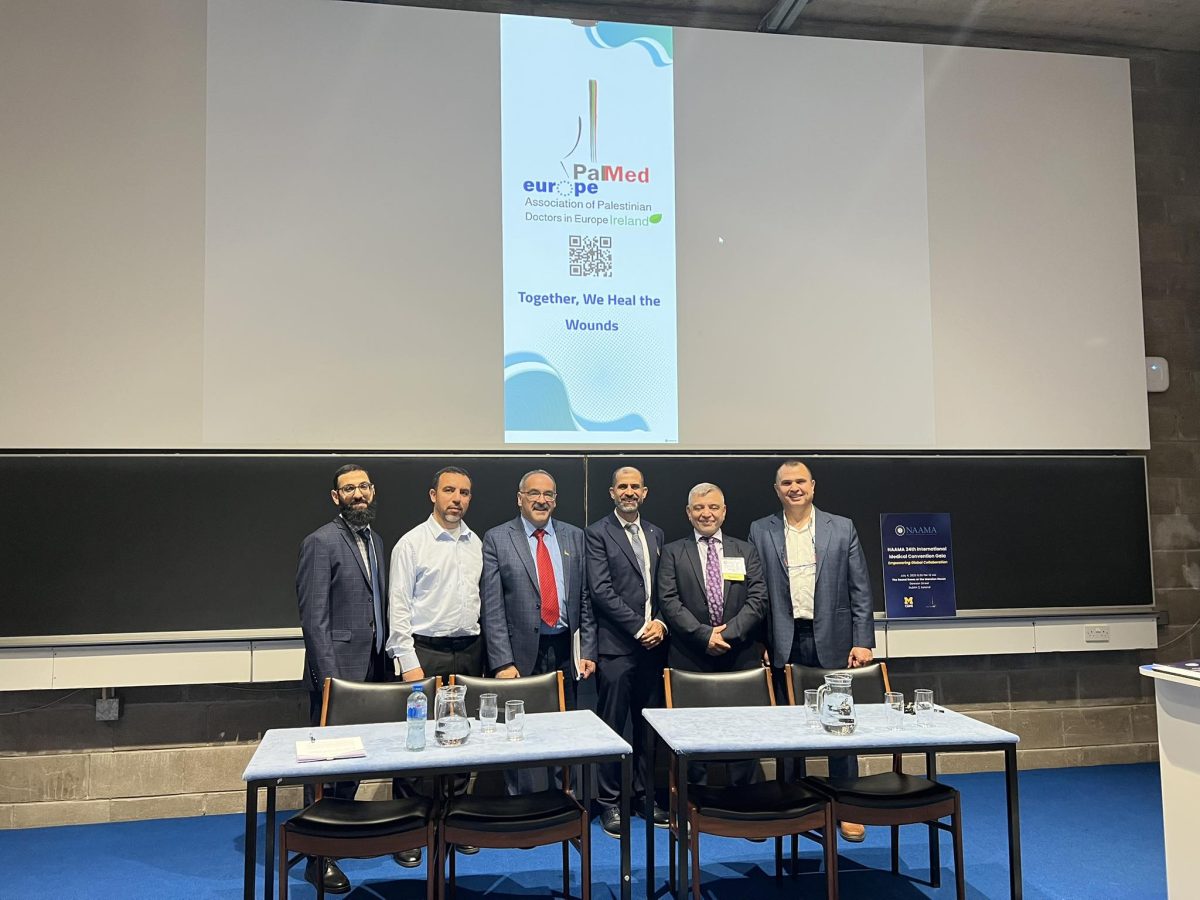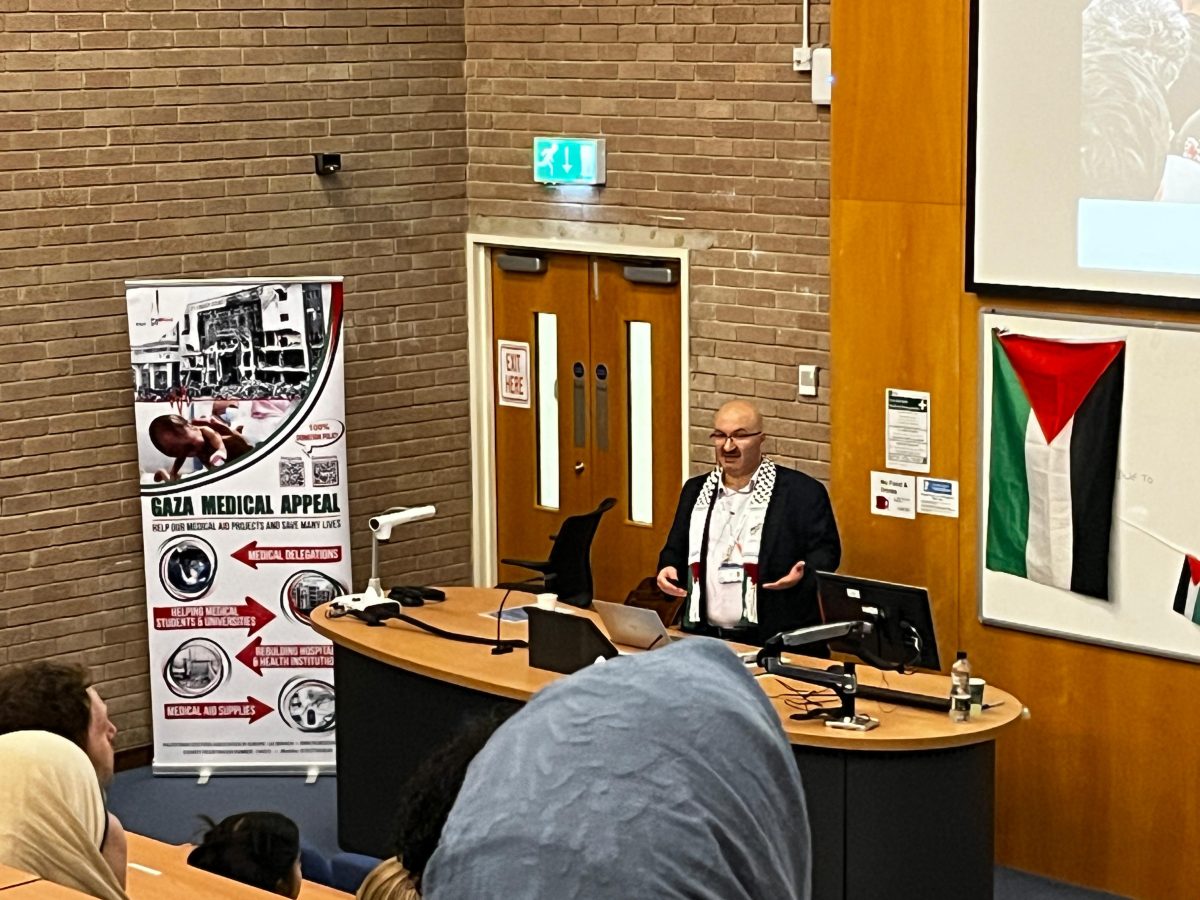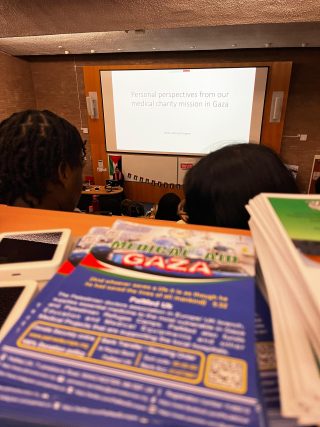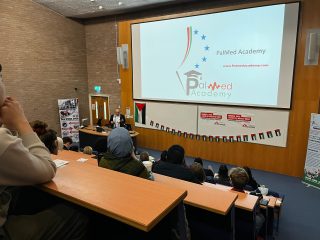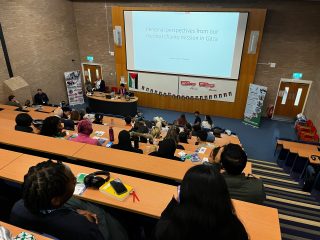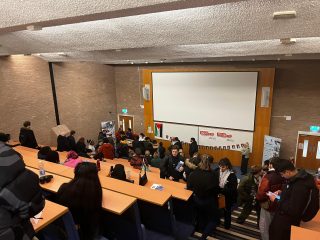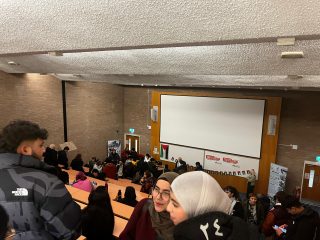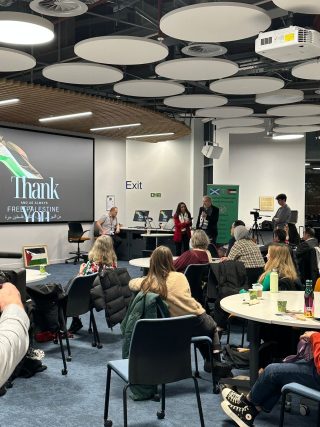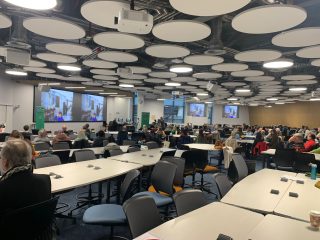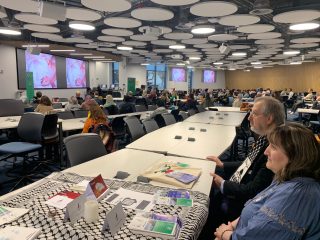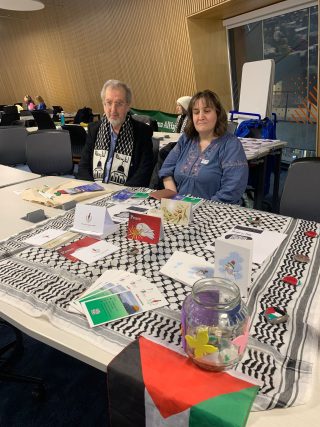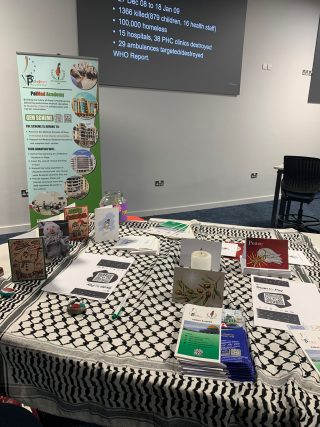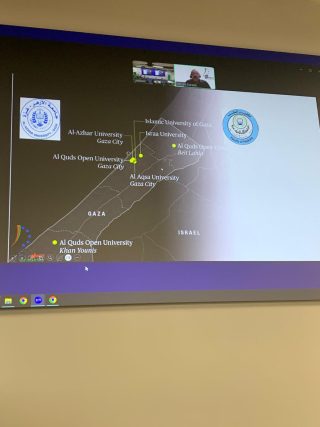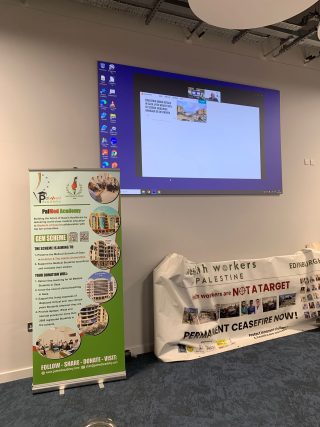

Trinity College Dublin, one of Ireland’s most prestigious universities, hosted the launch of the English edition of “A Surgeon’s Diary in Gaza: A Testimony to Genocide” on Tuesday, 23 September. The event was organised by the Palestinian Doctors Association in Europe – Ireland Branch (PalMed Ireland) in collaboration with the European Medical Professionals Association (EMPA).

The launch was part of a series of activities organised by PalMed Ireland to condemn the repeated attacks on hospitals and healthcare facilities in Gaza by the occupying forces, as explained by Dr Mahmoud Abu Marzouk, Chair of the PalMed Ireland Founding Committee.
The event was attended by representatives of Irish political parties, social and healthcare organisations, as well as a large audience of Irish citizens showing strong solidarity with the Palestinian cause.
Representing EMPA in Ireland, Dr Abdel Baset Al-Sayyed spoke about the organisation’s mission and its efforts to support the Palestinian health sector and advocate for the rights of healthcare workers. Dr Andy, a GP with Irish Healthcare Workers for Palestine (IHCW4P), also addressed the audience, reaffirming the Irish medical community’s commitment to standing alongside their colleagues in Gaza.

The programme was skilfully moderated by Rebecca O’Keeffe (MPhil, Trinity College Dublin), a researcher pursuing a PhD on peace studies in the Middle East. The speeches shared powerful, first-hand stories of the suffering endured by Palestinian patients, medical staff, and civilians in Gaza. One of the most impactful moments came from Dr Ahmed Habib, whose deeply moving address resonated strongly with the audience.
The event included a lively Q&A session, allowing attendees to share their thoughts and engage directly with the speakers. The large turnout reflected the growing public interest and solidarity within Irish society towards Palestine.
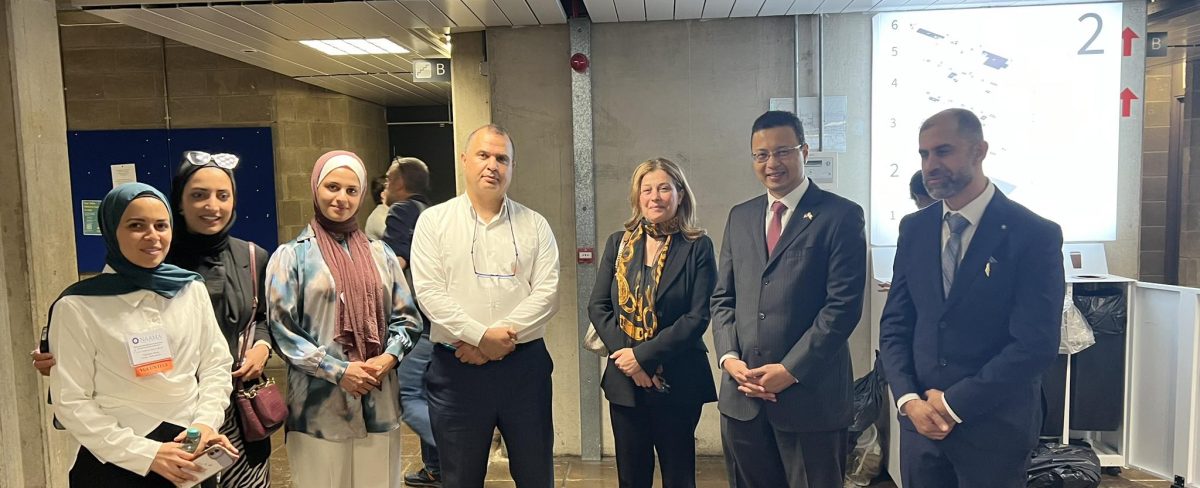
Among the distinguished guests were the Malaysian Ambassador to Ireland and his wife, alongside many Palestinian doctors working within the Irish healthcare system. The event concluded with great success — over 140 copies of the book were sold immediately after the launch.
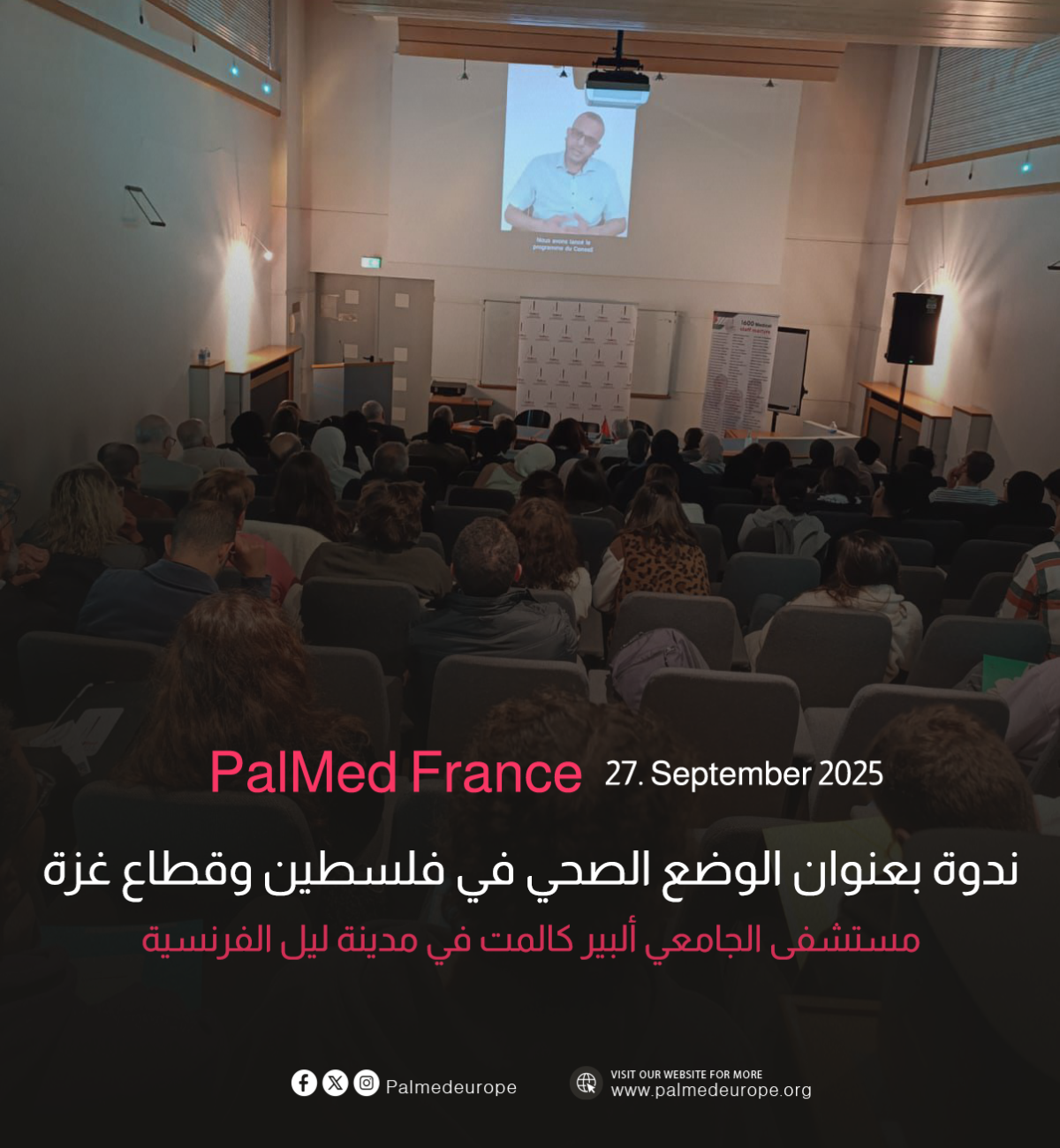
Saturday, 27 September

Ireland Facebook page: https://www.facebook.com/profile.php?id=61575654553623

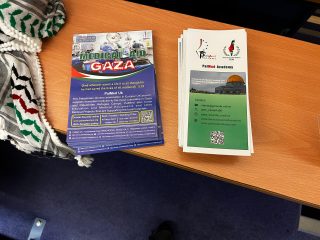
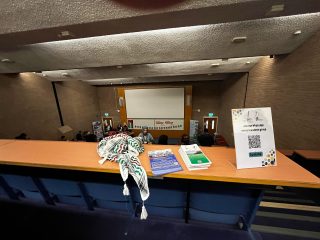
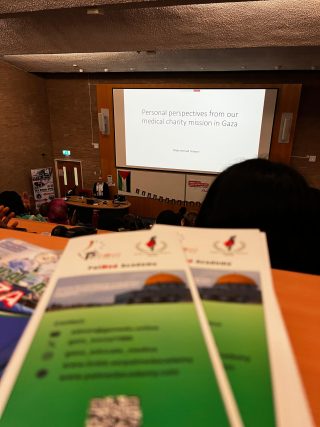
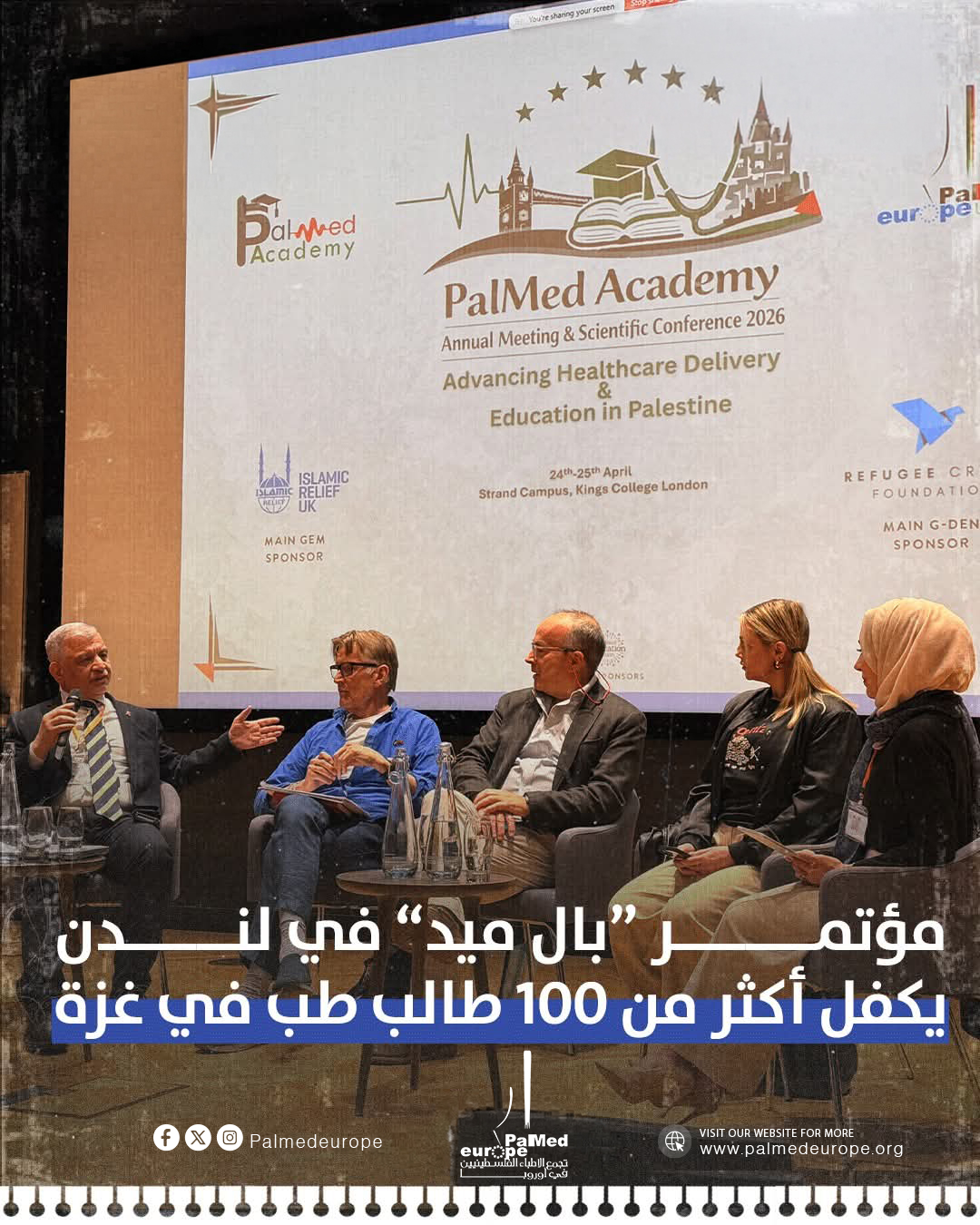
Snapshot of PalMed UK and PalMed Academy Event
9 December 2024
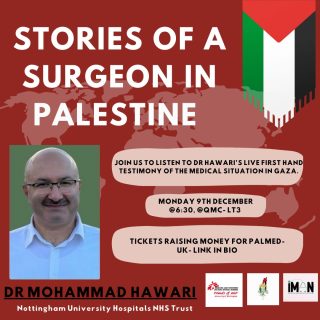
PalMed UK and PalMed Academy hosted an inspiring event at Nottingham Medical School titled “Stories of a Surgeon in Palestine“. The event featured Dr. Mohammad Hawari, a PalMed member and surgeon who visited Gaza during the ongoing conflict.
Dr. Hawari shared a powerful testimony about the dire medical situation in Gaza, highlighting the challenges faced by healthcare workers and patients amidst the devastation. Over 100 students and staff attended the event, attentively listening to his firsthand account of the humanitarian crisis and the efforts made by PalMed UK to support innocent civilians affected by the atrocities.
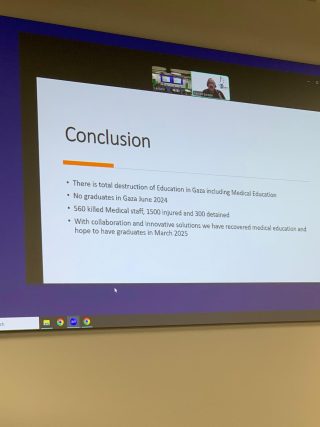
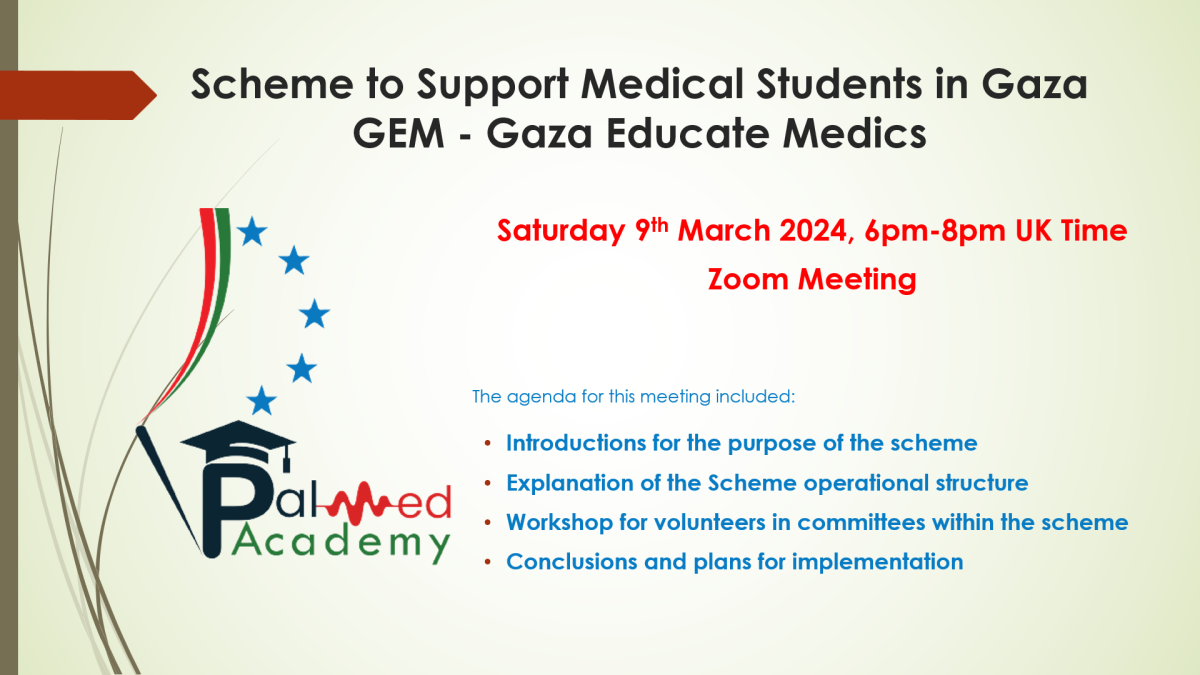
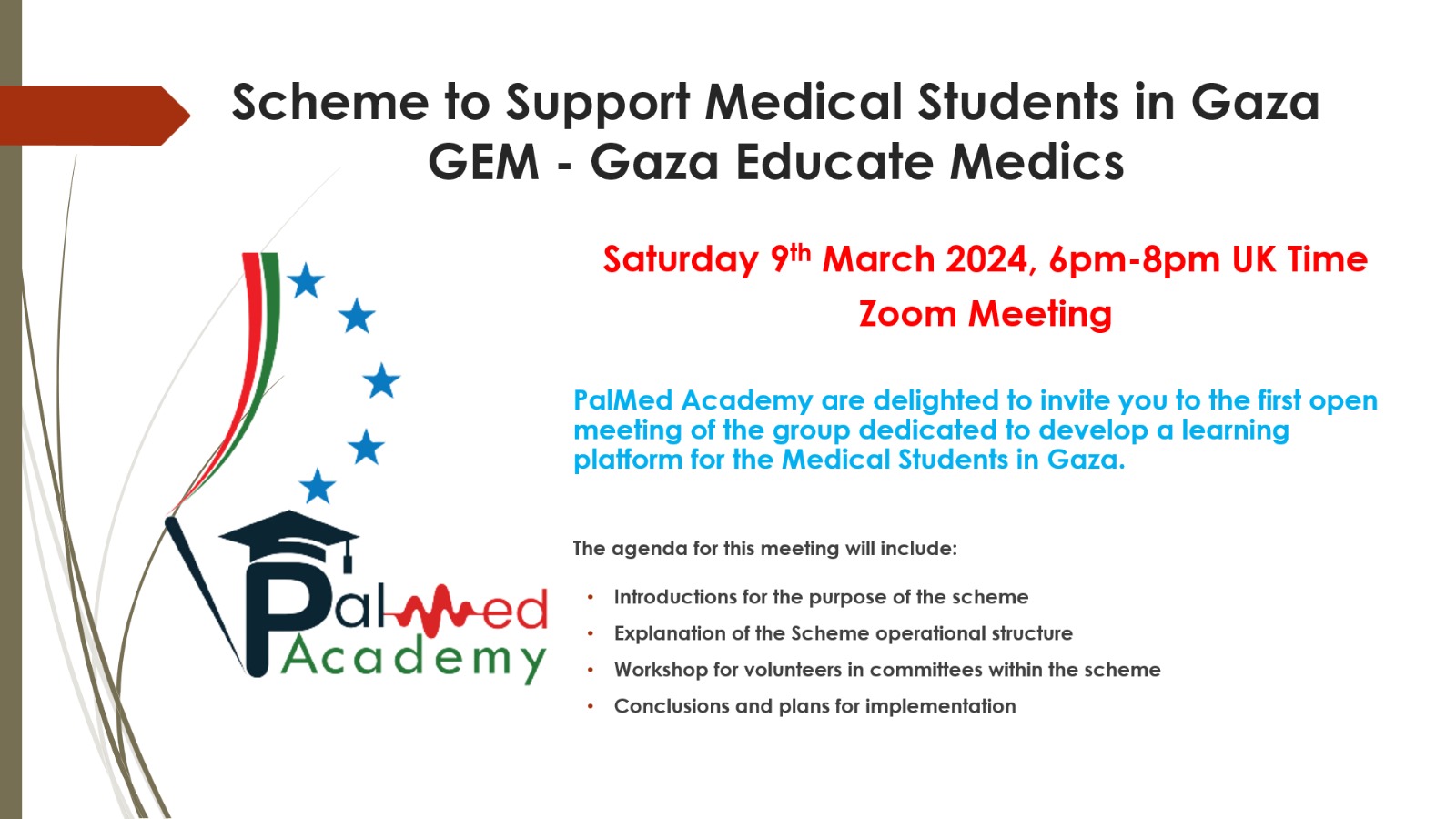
Dr. Hawari detailed PalMed’s tireless 14-month mission to provide aid and medical assistance to the people of Gaza, calling attention to the urgent need for global solidarity. He also introduced the GEM initiative, which aims to support medical students and strengthen Gaza’s healthcare system through education and innovation.
Together, we can make a difference. Help us support the people of Gaza and Palestine.
For donations:
For Medial Aid: https://www.kindlink.com/fundraising/PALMED-UK/gaza
For GEM Schem:– https://www.kindlink.com/fundraising/PALMED-UK/gem


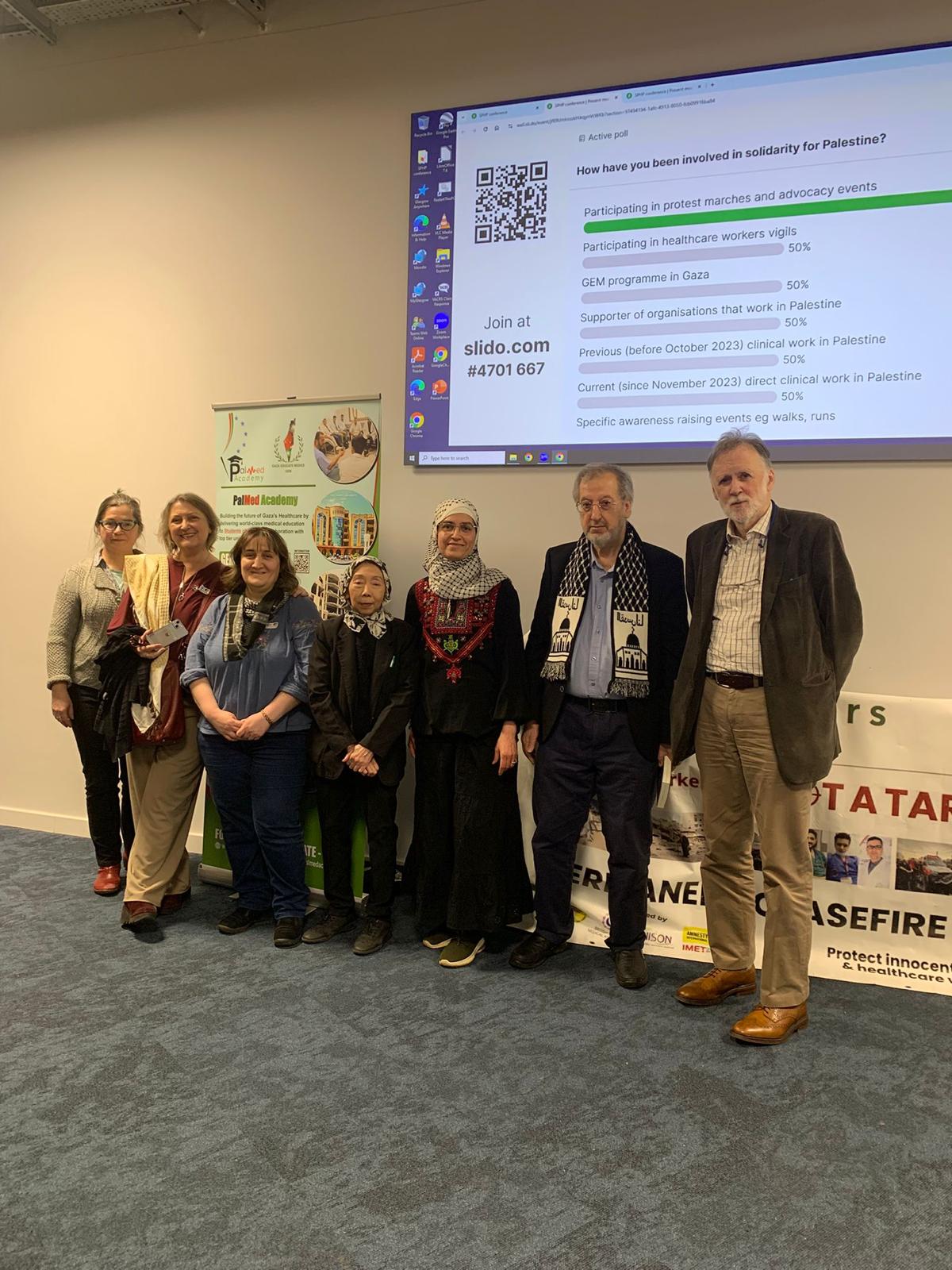
On Saturday 7 December the Scottish Palestine Health Partnership held its second annual conference at Glasgow University.
Over 100 delegates attended .
Palmed Uk and PalMed Academy was there.
PalMed was represented by Drs Eman El-Bahnasawi and Dr Vivian Badr .
Dr Bashier Oudeh ( SPHP executive ) chaired the second session of the meeting, and introduced Professor Mahmoud Loubani, who presented an update on the GEM scheme , this received a lot of interest and Prof Loubani answered a few questions after his lecture.
Other presenters included Dr Swee Ang; co-founder of MAP, Fatima Al-Ani from HW4P and Aamer Anwar; human rights lawyer and previous rector of Glasgow University.
For Donation to the GEM Scheme:- https://www.kindlink.com/fundraising/PALMED-UK/gem
For Donation to the Medical Aid projects:- https://www.kindlink.com/fundraising/PALMED-UK/gaza


Today on December 7 2024.
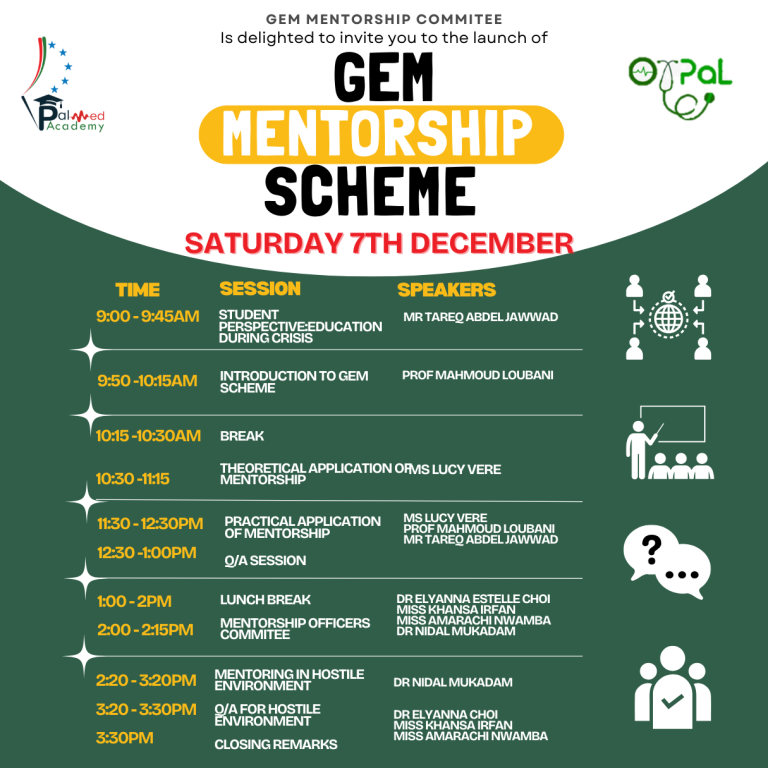
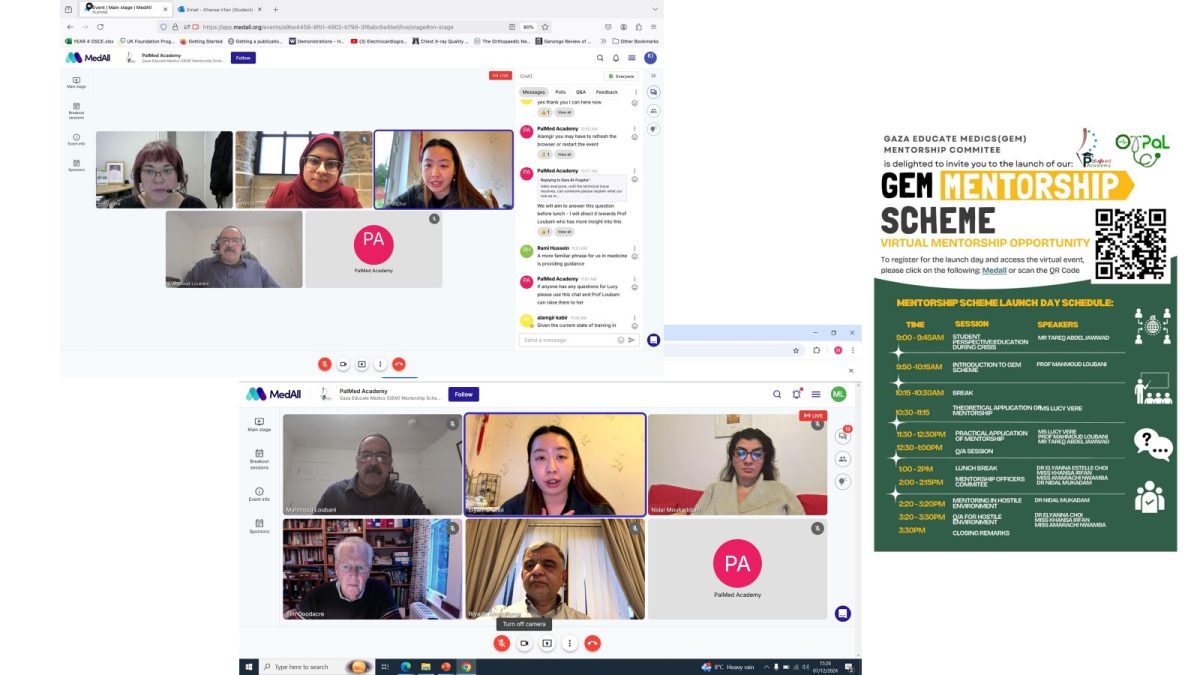
PalMed Academy and GEM initiative launched and conducted her very first GEM mentorship course for both students and mentors.
This morning was opened by Tareq Abdel-Jawwad who is a currently displaced fifth year medical student at Al-Azhar University in Gaza who gave us an introduction to the ongoing crisis and context under which the GEM scheme is operating with, as well as sharing his own experience as a Gazan medical student and his experience so far with GEM.
Then GEM team given a brief introduction to the GEM scheme by the CEO of GEM, Professor Mahmoud Loubani who touched on the structure of the scheme as well as the ongoing need of the GEM scheme.
The workshops on the theory and application of mentorship was delivered by Lucy Vere who has had over 20 years of experience training NHS staff and organisations during which attendees were given practical advice and basic communication tools on which can use to build and advance their mentor-mentee relationship.
In the afternoon, the lead mentorship co-officers Khansa Irfan and Dr. Elyanna Choi shared their backgrounds and motivations for participating in this scheme.
The panel saw our distinguished speakers Prof. Nidal Moukaddam, Mr. TIm Goodacre, and Dr. Riyadh Almasharqah discuss the challenges of mentorship in a hostile environment for both students and mentors, the psychological and emotional toll of mentorship in our current context, as well as stories of resilience, hope, and advice for mentors involved in the GEM mentorship scheme.
For Donation to the GEM Scheme:- https://www.kindlink.com/fundraising/PALMED-UK/gem
Together, We Can.

GEM meeting
Dr Riyadh Almasharqah: Plastic surgeon and CEO of PalMed Europe, has worked in various regional plastic surgery and burn units across the UK and abroad.He said: “We are grateful to the people of Bolton, the University of Bolton, and the whole community who offered great support to this course. “This is the second course, with the first course being in December. and many people from the first course are already in Gaza and they provided a lot of help there. and they’re feedback about the information they got from this course has been great. So, this encouraged us to do the second course, and hopefully we will continue to do that in the future.
“It’s a really unique course. As a doctor, I have attended many courses before, but this is really structured and organised to cover all emergency aspects in every speciality’’.
“What we can see from what is happening in Gaza is that the magnitude of the need is so high. It’s beyond imagination, people are suffering a lot. The injured people are suffering, and so are the people who are displaced because they are living in shelters without food unfortunately, and no electricity, no water, and of course all of the health sector has collapsed, and kids are suffering from malnutrition, and even the elderly people’’.
Chief operating officer of The David Nott Foundation Tim Law said:“As a charity, we were about to go to Gaza in October when the news obviously broke on October 7, and the whole world has seen what’s happened since then. “But we are keen to continue to support the Palestinian people, as we are any person that is affected by conflict or other disasters.”
Tim From David Nott Foundation said: “We train medical professionals so that they can operate effectively in war zones and help patient outcomes – that is the job of our charity. “Now, if you think about most surgery, it can be very specific. So, you might train as a cardiovascular surgeon, and all you do is work on the heart and that system. But, when it comes to war you might find that you’re the only surgeon in the hospital, and there are people presenting with multiple wounds, blasts fragmentation, or all sorts of things like that, and our job is to basically help surgeons who are perhaps quite specialised, become generalists and are then able to deal with the challenges that these sort of environments present. We have some of our doctors who are on the faculty who have travelled to Gaza, who said that the people that don’t really have this grasp of the whole system of surgery are not as well able to meet the challenges that are presented to them, so in many ways, we are certain that this is the best training that you can get. And we feel that we’re backed up in that with the amount of demand there is for our courses.”
Tim added: “Many of our faculty are ex-military, so they’ve got experience of Iraq, Afghanistan, and places like that, so they know what it’s like to be in places where resources that you would have in an NHS hospital in the UK aren’t available to you.
In December, other facilities in Bolton were used by the foundation and PalMed to upskill 42 doctors, many of whom already in Gaza or planning to travel to Palestine to offer their help.
The foundation also delivered a surgical training course in Ramallah, Palestine, last July to empower doctors from across the region, and the team were due to train in Gaza in October before the war started.

“Thank you to the David Nott Foundation. Without them, this training would not have been possible. Together, we are organising this course to assist the people in the Gaza Strip once it is safe and travel becomes feasible. The response from numerous doctors expressing their desire to help has been overwhelming, and we are hopeful to conduct a second course in the coming weeks.”


“I’m excited about expanding my skill set beyond obstetrics and gynaecology to acquire new capabilities that will benefit mothers and their infants in Gaza and the West Bank. I recognize the desperate need for assistance in this region. This course is unique as it combines obstetrics and gynaecology with trauma care. This training aims to address complex challenges comprehensively and I look forward to it.”


“What has been great about this course is meeting people that have experienced things in the field. From the anaesthetics point of view, it’s been helpful to learn how they deal with limited resources and supplies, and we have been using airway mannequins and practicing with video scopes.”